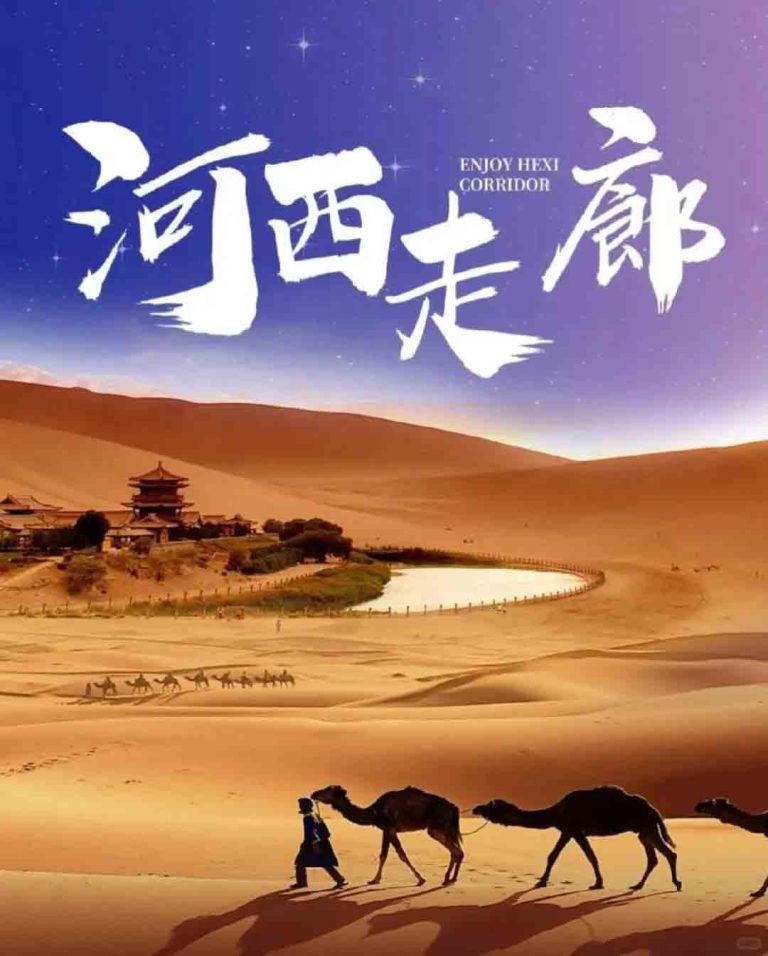
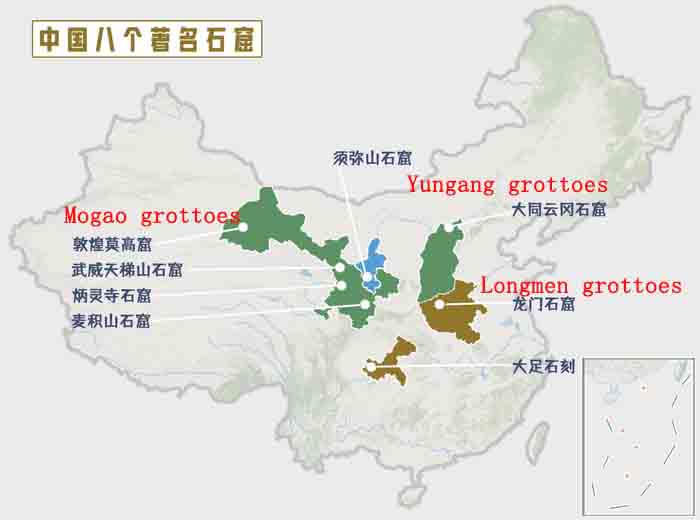
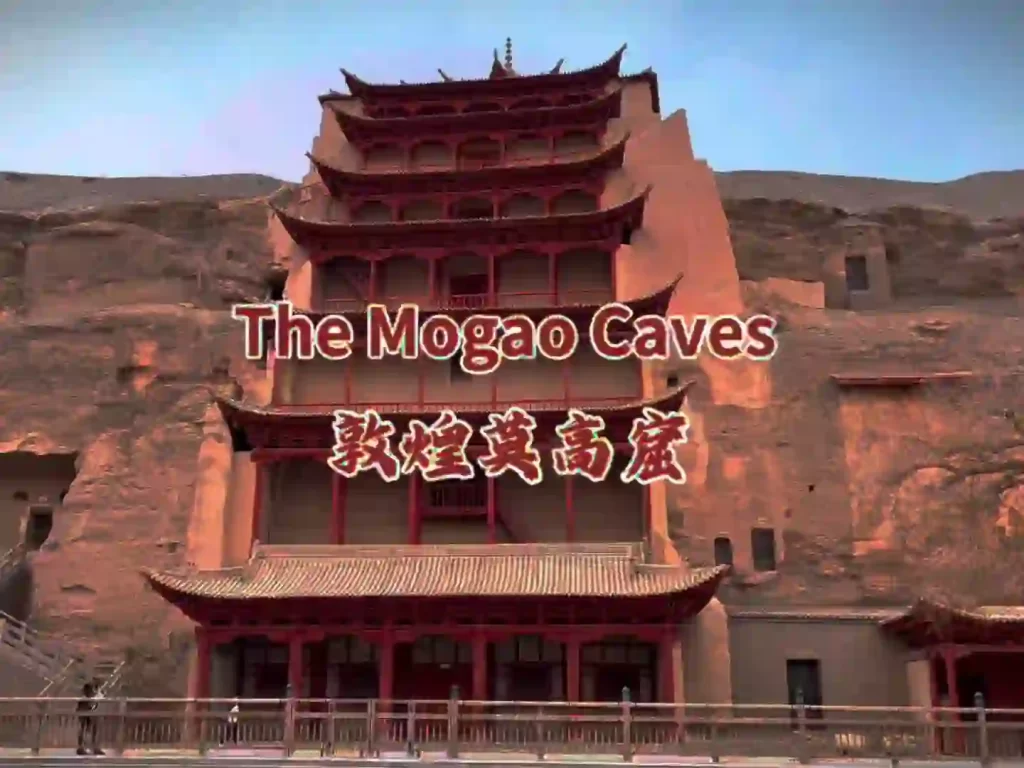
Mogao Caves, commonly known as the ‘Thousand Buddha Grottoes’, are located at the eastern foot of Mingsha Mountain, 25 kilometers southeast of Dunhuang City, Gansu Province, China. They are the largest and richest existing Buddhist art site in the world and a brilliant testament to the convergence of Eastern and Western civilizations along the ancient Silk Road. As a treasure included in the first batch of the UNESCO World Cultural Heritage List in 1987, it is known alongside the Yungang Grottoes in Shanxi and the Longmen Grottoes in Henan as the ‘Three Major Grottoes of China’, distinguished by its early excavation time, long continuity, large number of caves, and rich artistic connotations. This guide will take you to fully unlock this millennium art temple, easily plan your itinerary, avoid pitfalls, and immersively experience the charm of Dunhuang culture.
I. Overview of the Scenic Area: Understanding the Foundation of Millennial Art
1. Geography and Environment: A Natural Shelter in the Desert
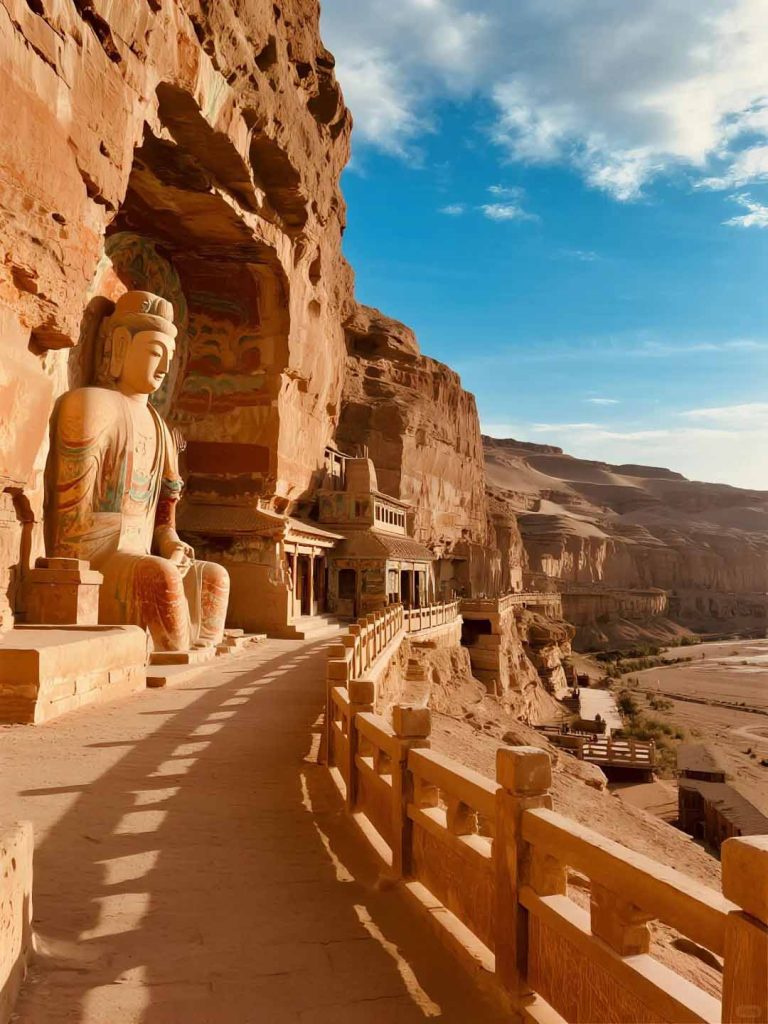
The Mogao Caves are located in the Gobi Desert, bordering the Kumtag Desert to the north, closely adjacent to Mingsha Mountain, with the cave complex built against the cliff, stretching about 1680 meters north-south, staggered in height and resembling a beehive. The area is hot in summer, cold in winter, dry with little rain throughout the year, and has large diurnal temperature differences. This seemingly harsh natural environment has become a ‘natural preservative’ for the murals and colored sculptures, allowing these millennial art treasures to remain intact in the wind and sand to this day.
2. History and Art: A Millennial Museum on the Walls
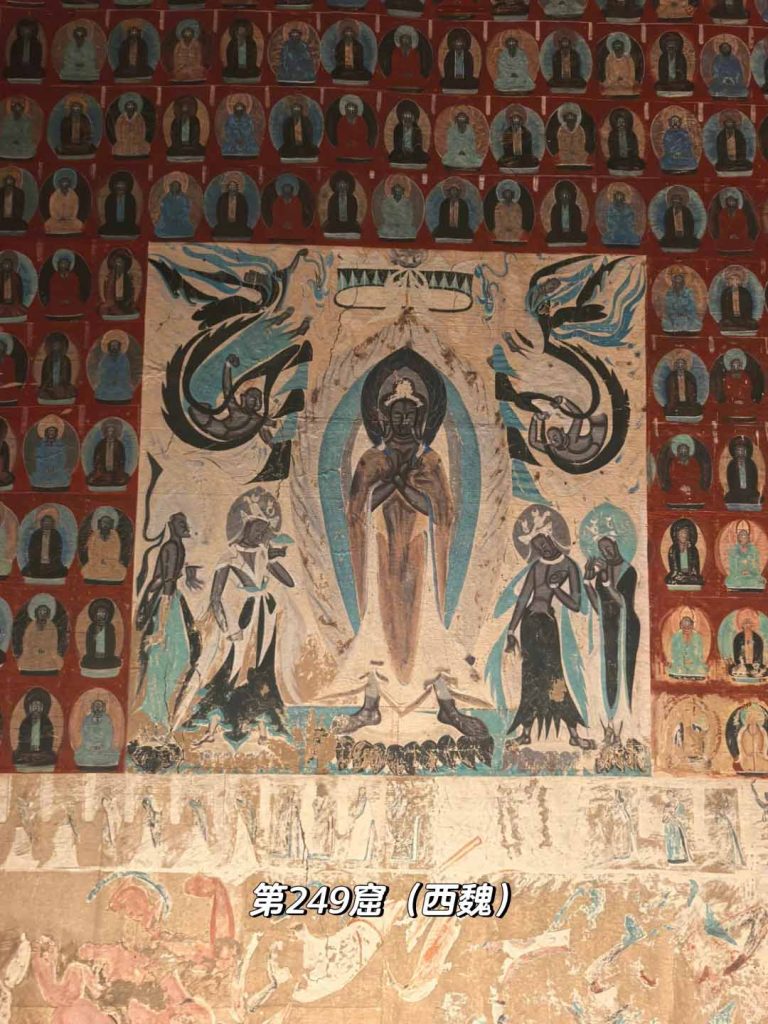
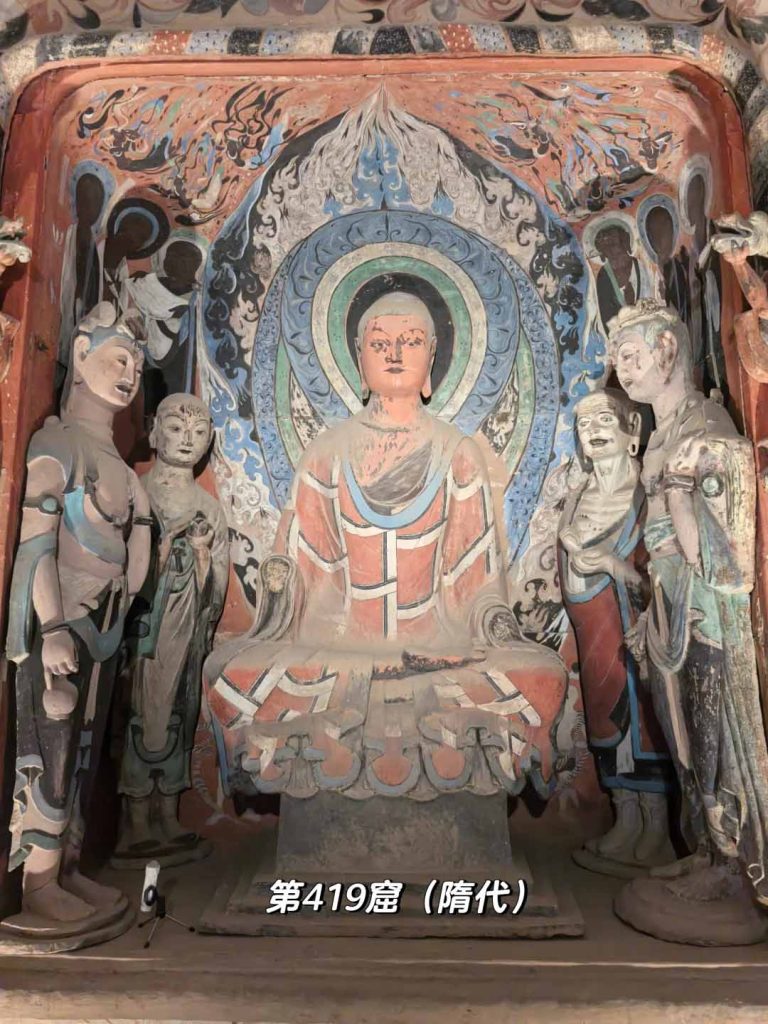
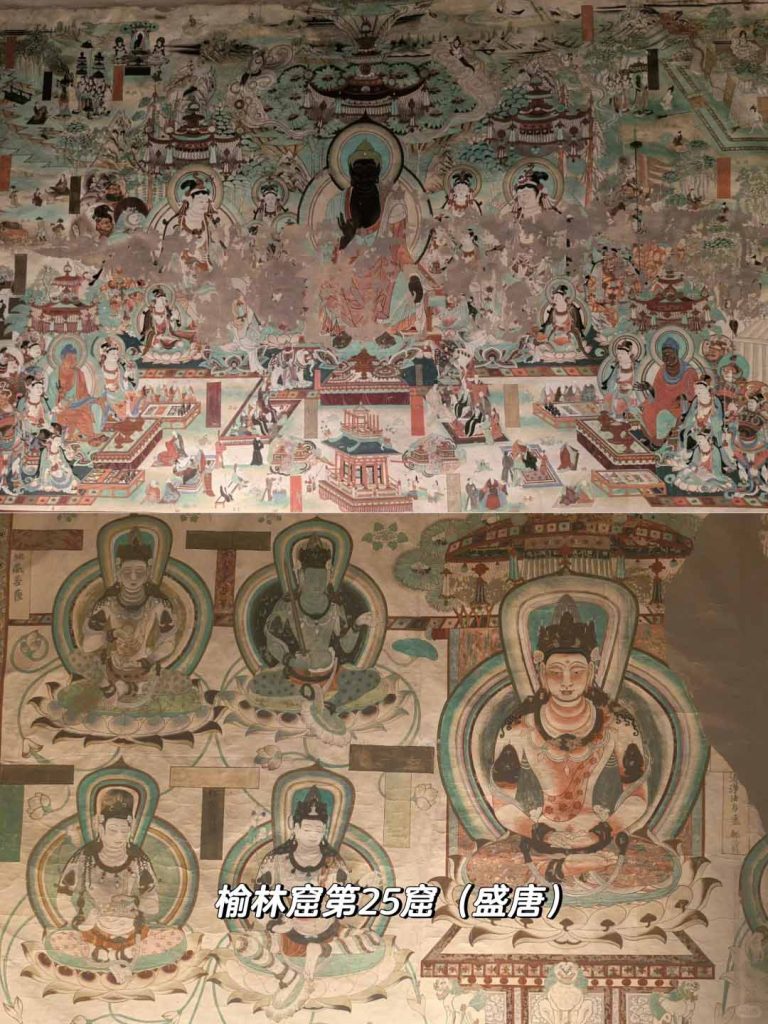
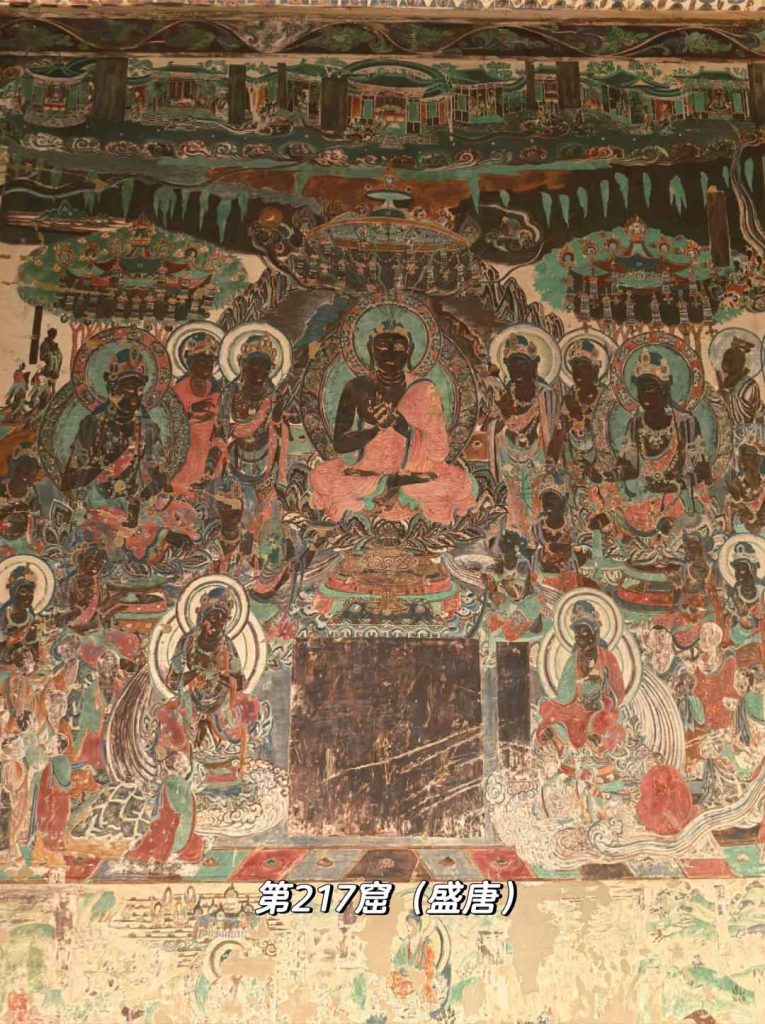
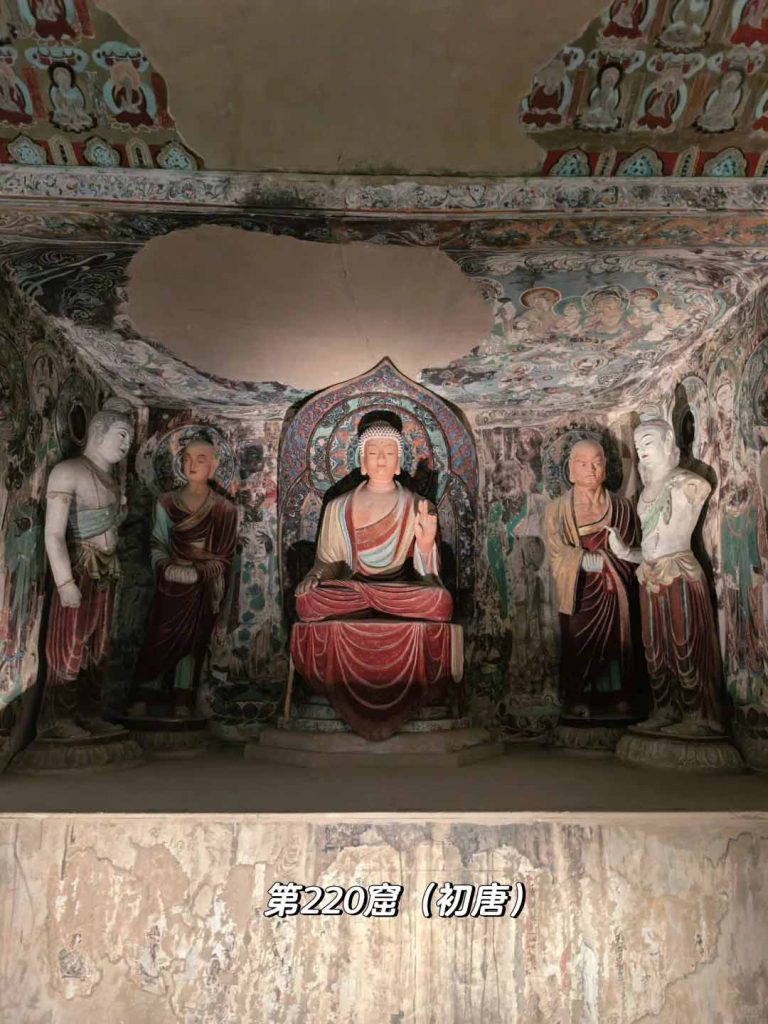
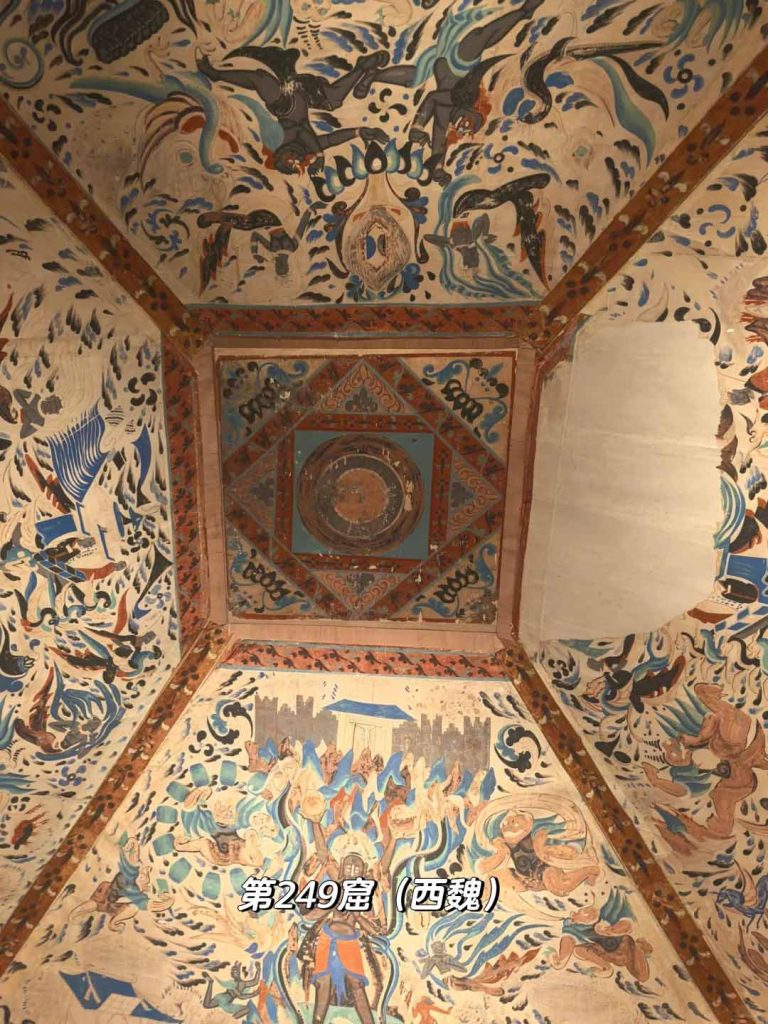
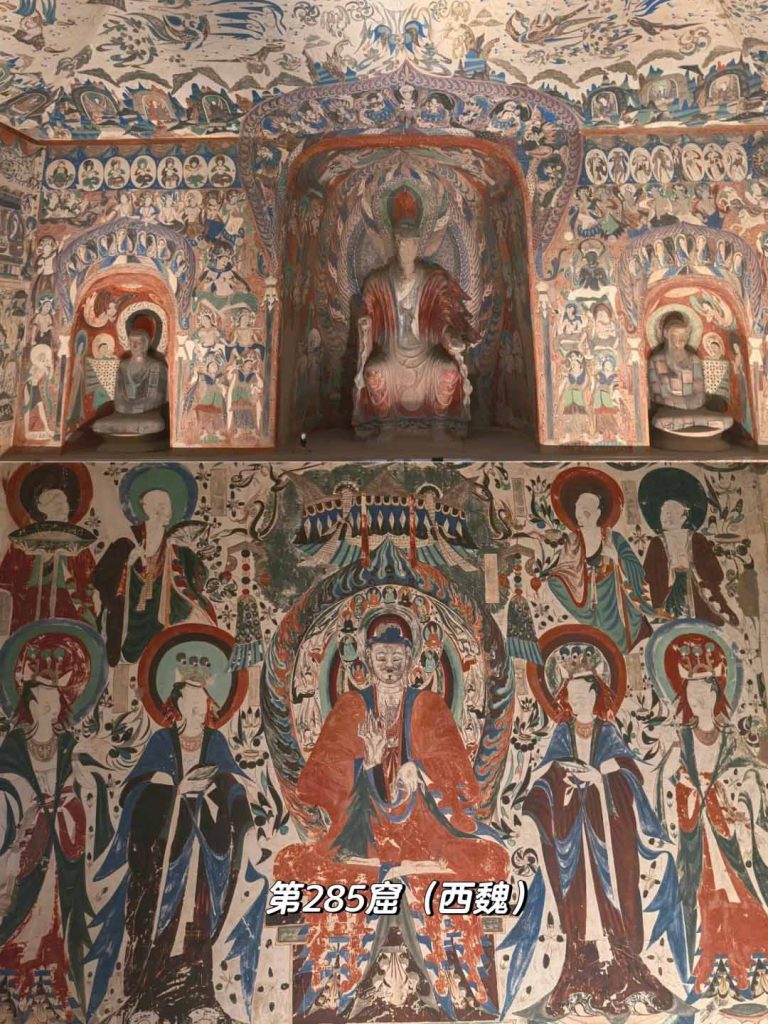
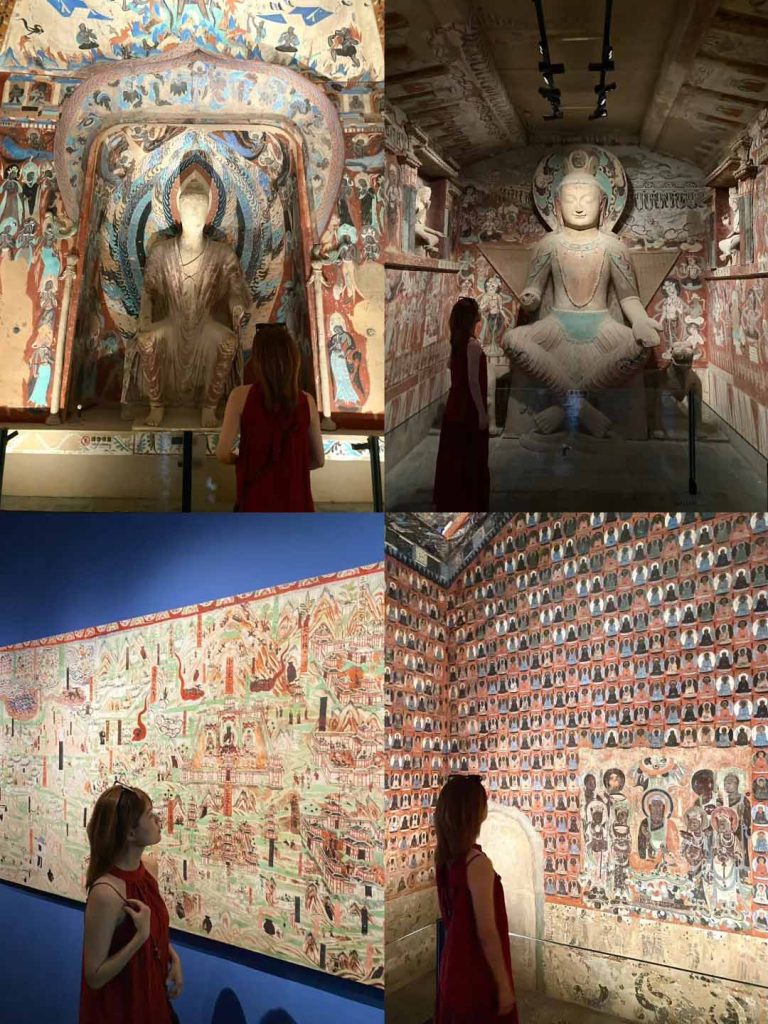
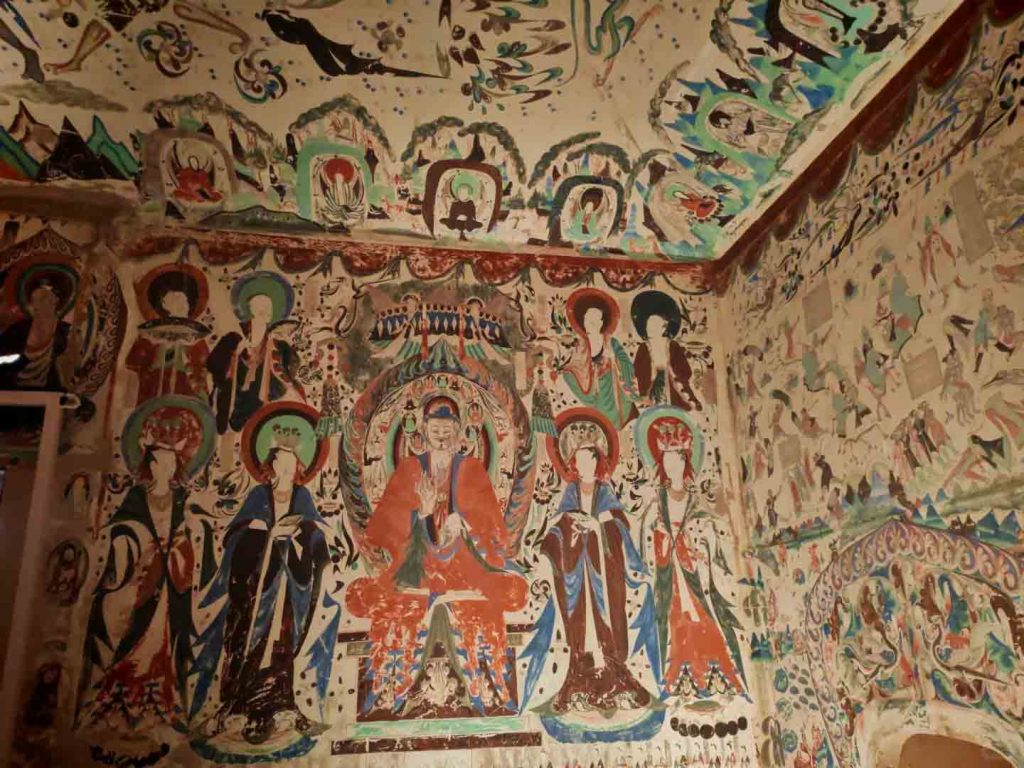
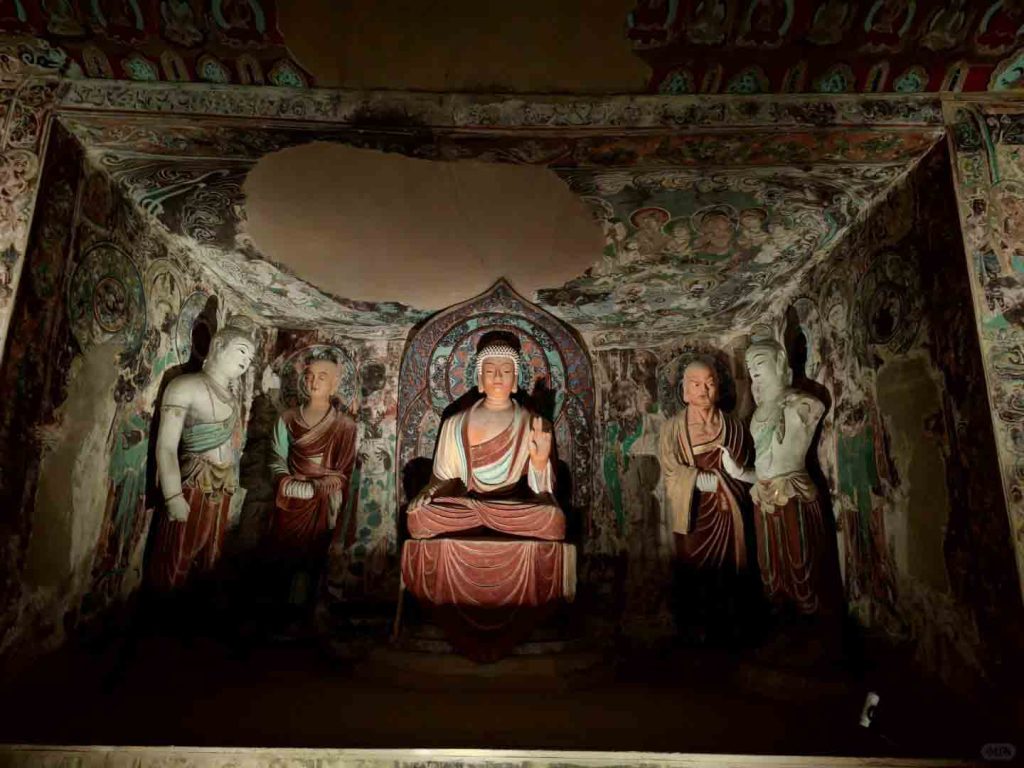
The excavation of the Mogao Caves began in the Former Qin period of the Sixteen Kingdoms (AD 366), when it is said that monk Yuezun arrived at this place and suddenly saw a golden light shining like a thousand Buddhas, thus excavating the first cave. Subsequently, through the dynasties of Northern Liang, Northern Wei, Western Wei, Northern Zhou, Sui, Tang, Five Dynasties, Song, Western Xia, Yuan, and others, the construction and renovation continued for about a thousand years, precipitating profound historical and artistic heritage.
The scenic area currently has 735 numbered caves, of which 492 contain exquisite artistic remains, integrating architecture, sculpture, and murals, and is renowned as the ‘World Art Gallery’:
- Colored Sculpture Art: There are over 2400 colored sculptures remaining. Due to the unsuitable rock for stone carving, ancient craftsmen used clay modeling and painting techniques. The statues range from over 30 meters high (such as the ‘Giant Buddha’ in Cave 96) to just over ten centimeters, vivid in form and varied in expression, showcasing the exquisite skills of ancient craftsmen.
- Mural Art: The existing murals cover more than 45,000 square meters, with contents encompassing everything—from religious themes like Buddha images and scripture transformation paintings to realistic depictions of ancient social life, customs, music, dance, and travels along the Silk Road. They are not only artistic masterpieces but also precious pictorial historical materials for studying medieval history, culture, clothing, and architecture.
- Sutra Cave (Cave 17): Discovered accidentally by Taoist Wang Yuanlu in 1900, the cave contains over 50,000 artifacts from the 4th to 11th centuries AD, including scriptures, documents, embroideries, and paintings in Han, Tibetan, Sanskrit, and other languages, known as the ‘Encyclopedia of the Middle Ages’, directly giving birth to the world-renowned discipline of Dunhuang Studies.
II. Transportation Guide: Convenient Access, Easy Travel
Mogao Caves have convenient transportation. You can arrive in Dunhuang by plane or train, then transfer to intra-city transport to the scenic area, with clear routes throughout, no need for complex planning.
- By Plane: Dunhuang Mogao International Airport has flights to major domestic cities like Beijing, Shanghai, and Xi’an. Upon arrival, take the airport shuttle or taxi to the city center, about 30 minutes by car; self-driving visitors can navigate directly to the Mogao Caves Digital Exhibition Center, which has a large parking lot for convenient parking.
- By Train: Dunhuang Railway Station has trains to and from Lanzhou, Xi’an, and other places. After exiting the station, take the bus or taxi to the city center; taxi to the city center takes about 20 minutes and is affordable.
- Intra-City Transport: From Dunhuang city center to Mogao Caves, take the green tourist shuttle bus, about 20 minutes, with cheap fares and direct to the scenic area’s Digital Exhibition Center; taxi costs about 30 yuan, navigate directly to ‘Mogao Caves Digital Exhibition Center’.
III. Key Notes for Visiting: Pit Avoidance Guide, Efficient Tour
1. Ticket Reservation: Plan Ahead, Avoid Empty Trips
Mogao Caves implement a real-name reservation and real-name ticket verification entry system. Tickets are in high demand, especially in peak season, so plan ahead:
- Reservation Channels: Only through official channels, namely the ‘Mogao Caves Visiting Reservation Network’ WeChat service account, WeChat mini-program, or official website (www.mgk.org.cn). No authorization for third-party agencies to purchase on behalf, do not buy through non-official channels to avoid information leakage or inability to enter.
- Reservation Time: Peak season (April-November) releases 6000 regular tickets daily, recommend reserving at least 1 month in advance; Off-season (December to next March) offers half-price tickets, open caves increase from 8 to 10, fewer people and beautiful scenery, also recommend reserving 7-10 days in advance.
- Special Groups: Children under 4 years old (not including 4) are free; Retired soldiers, seniors 60-69, primary and secondary students, etc., can enjoy discounts, need to bring original corresponding discount documents, exchange for ticket information slip at manual ticket window, implement ‘dual certificate verification’ (ID + discount document); Foreign and Hong Kong, Macao, Taiwan visitors can book tickets through the WeChat service account ‘Ticket Booking’ channel.
- Notes: Arrive at the Digital Exhibition Center 30 minutes before reservation time, early arrival can rest in the waiting area; Online pre-sold tickets only support refunds, not changes; Paper tickets once issued are non-refundable; In case of heavy rain, strong sandstorms, etc., uncontrollable factors, caves will be closed, reserved tickets can be fully refunded or rescheduled.
2. Visiting Process: Standardized Tour, In-Depth Experience
Mogao Caves adopt a ‘digital experience + physical visit’ mode, with a fixed process that must be strictly followed to avoid affecting the tour:
- Step 1: Go to the Mogao Caves Digital Exhibition Center (Address: No. 8899 Yangguan East Road, Dunhuang City), first exchange for paper ticket information slip, then watch two films—’Millennium Mogao’ (20 minutes, telling the historical and cultural background of Mogao Caves) and ‘Dreamlike Buddha Palace’ (20 minutes, dome theater immersively presenting details of classic caves). The entire viewing takes about 60-70 minutes. Suggest sitting in the side rear rows for ‘Millennium Mogao’ (convenient for transitions), and middle rear rows for ‘Dreamlike Buddha Palace’ (best viewing effect).
- Step 2: After watching the films, take the scenic shuttle bus uniformly to the physical cave area (about 20 minutes drive). Upon arrival, groups are led by guides to visit. Regular tickets allow visiting 8 ordinary caves, 10 in off-season. After visiting, return orderly from the return area by bus to the Digital Exhibition Center.
3. Cave Protection and Visiting Taboos
- To protect the fragile murals and colored sculptures, photography, video recording, and touching are strictly prohibited inside the caves, violations will face penalties, and please consciously keep quiet, no loud talking or crowding.
- Special Caves Visit: Special caves like Cave 96, 148, 220 require additional tickets (about 800 yuan), limited opening, daily two sessions for ticketing (12:00-12:30, 14:00-14:30). Must be after regular visit on the same day, hold valid ID and regular ticket, purchase on-site at the special cave office in the cave area.
- Visiting Order: Please consciously follow scenic regulations, keep the area clean, no loud talking or crowding, queue orderly for buses and cave visits. Self-driving vehicles must park properly in the Digital Exhibition Center parking lot, cooperate with staff guidance.
- Special Notes for Hong Kong, Macao, Taiwan, and Overseas Visitors: Currently, Mogao Caves have no special visiting restrictions for Hong Kong, Macao, Taiwan, and overseas visitors, can book normally. Specific requirements are as follows:
- 1. Ticket Reservation: Hong Kong, Macao, Taiwan visitors can use Mainland Travel Permit for Hong Kong, Macao, Taiwan Residents (Home Return Permit, Return Permit), overseas visitors use foreign passports, book through the ‘Mogao Caves Visiting Reservation Network’ WeChat service account ‘Ticket Booking’ channel. No third-party purchases, real-name reservation and verification, ticket, document, person must match to enter;
- 2. Document Verification: Carry valid personal documents (Mainland Travel Permit for Hong Kong, Macao, Taiwan Residents, foreign passport) when entering and visiting. Hong Kong, Macao, Taiwan visitors enjoying discounts (e.g., seniors 60-69, youth) need to bring original discount documents, exchange at manual ticket window, implement ‘dual certificate verification’;
- 3. Guide Services: The scenic area provides Chinese guide services. Overseas visitors can prepare translation devices in advance or inquire at the Digital Exhibition Center if English guide services are available;
- 4. Special Caves Visit: When purchasing special cave tickets, Hong Kong, Macao, Taiwan, and overseas visitors need to show valid personal ID and regular ticket, follow on-site procedures, same standards as mainland visitors; 5. Others: Scenic signs are mainly in Chinese, some key signs have English. For visiting questions, call official consultation hotline 4008-333-715 (manual service: 08:30-16:30), can provide simple English consultation.
4. Best Visiting Season and Duration
- Best Season: Suitable all year round, each with its charm—Autumn (September-October) has the most comfortable climate, avoiding summer heat and peak crowds, first choice for touring; Winter (December to next February) high cost-performance, half-price tickets, cheap hotels, fewer people and quiet, can more deeply feel the mural charm, and enjoy desert snowscapes; Summer hot and dry, need sun protection and cooling; Spring windy and sandy, need protection. Go in off-season as much as possible, fewer people reduce queuing time.
- Tour Duration: Suggest reserving 3-4 hours total, including 1.5 hours at Digital Exhibition Center, 40 minutes round-trip shuttle, 1-1.5 hours physical cave visit. If visiting special caves or exhibition halls, add 1-2 hours extra.
IV. Must-See Exhibitions: Unlock In-Depth Experience, No Regrets
In addition to physical caves, the three major characteristic exhibitions in the scenic area are not to be missed, supplementing the tour experience and deepening understanding of Dunhuang culture:
- Digital Dunhuang Immersive Exhibition: Using VR virtual reality technology, allowing visitors to ‘enter’ caves not open to the public, 360-degree close-up appreciation of high-definition mural details, immersive experience of cave art wonders, especially suitable for those wanting to explore special caves without buying special tickets.
- Dunhuang Grottoes Cultural Relics Protection Research Exhibition Center: Features 8 caves replicated 1:1, covering artistic styles from different dynasties, ‘twin brothers’ to the physical caves, suitable for review after physical visit, detailed understanding of cave excavation and mural painting techniques, unveiling secrets of millennial mural preservation.
- Sutra Cave Exhibition Hall: Details the discovery, loss, and return history of the Sutra Cave artifacts, through artifacts, pictures, and text, restoring the birth and development of Dunhuang Studies, an important window to understand the stories behind Dunhuang culture.
V. Convenient Services and Warm Tips
1. Convenient Services
The Mogao Caves Digital Exhibition Center provides free large luggage storage, pet storage, lost and found, free WiFi, and phone charging services. The waiting area for viewing has Dunhuang Creative Workshop, West Encounter Restaurant, Mogao Post Station, etc., for shopping, resting, dining, and mailing postcards; The cave area also has storage, restaurant, cultural creative shop, medical room, and post office to meet various visitor needs.
2. Warm Tips
- Dunhuang has large diurnal temperature differences, carry a thin jacket regardless of season, sun protection and hydration in summer, warmth in winter; Scenic area has strong winds and sand, carry scarves and hats.
- Catering prices in the scenic area are high, prepare drinking water and some snacks in the city center in advance to replenish energy.
- For visiting questions, call official consultation hotline 4008-333-715 (manual service: 08:30-16:30); For service issues, call complaint hotline 400-111-0937 (09:00-17:30).
- Suggest combining with Mingsha Mountain Crescent Spring, Dunhuang Ancient City, etc., plan 1-2 days in Dunhuang to fully experience the desert scenery and historical heritage.
VI. In-Depth Comparison of China’s Three Major Grottoes
| Comparison Dimensions | Dunhuang Mogao Caves | Longmen Grottoes | Yungang Grottoes[舟周1] |
| Geographical Location | Dunhuang, Gansu (Gobi Desert, eastern foot of Mingsha Mountain) | Luoyang, Henan (Both banks of Yi River, Longmen Mountain and Xiangshan) | Datong, Shanxi (Southern foot of Wuzhou Mountain, north bank of Ten Li River) |
| Beginning Construction Year | Former Qin (AD 366), Earliest History | Northern Wei (AD 493), After Emperor Xiaowen’s Capital Move to Luoyang | Northern Wei (AD 460), Emperor Wencheng Period |
| Core Material | Clay Sculptures + Murals (Gravel rock not suitable for carving) | Stone Carving (Limestone, fine texture) | Stone Carving (Sandstone, grand momentum) |
| Artistic Features | ‘Museum on the Walls’ Renowned for exquisite murals (45,000 sqm) and colored sculptures, fusing Chinese and Western civilizations, vibrant colors. | ‘Peak of Chinese Stone Carving Art’ Statues dignified and elegant, embodying the process from ‘slender and clear images’ to ‘plump and rounded’ Sinicization, numerous calligraphy inscriptions. | ‘5th Century Carving Peak’ Majestic momentum, combining Gandhara style from Western Regions with Central Plains characteristics, giant Buddhas awe-inspiring. |
| Representative Works | Cave 96 (Giant Buddha), Sutra Cave (Cave 17), Flying Apsaras Murals | Fengxian Temple Vairocana Buddha (funded by Empress Wu Zetian), Guyang Cave, Longmen Twenty Products | Cave 20 (Open-Air Giant Buddha), Tanyao Five Caves (Caves 16-20) |
| Tour Highlights | Digital films + physical cave visits, special caves require extra tickets, desert scenery | Night tour of Longmen (light show), essence of West Mountain Grottoes concentrated, Yi River scenery | Open-air Giant Buddha photo ops, Tanyao Square, Lingyan Temple Cave, complete scenic facilities |
| Best Season | June-October (Avoid sandstorms, relatively comfortable climate) | April-October (Peony season or crisp autumn) | May-October (Cool summer in the borderlands, winter cold) |
| World Heritage | Included in 1987 | Included in 2000 | Included in 2001 |
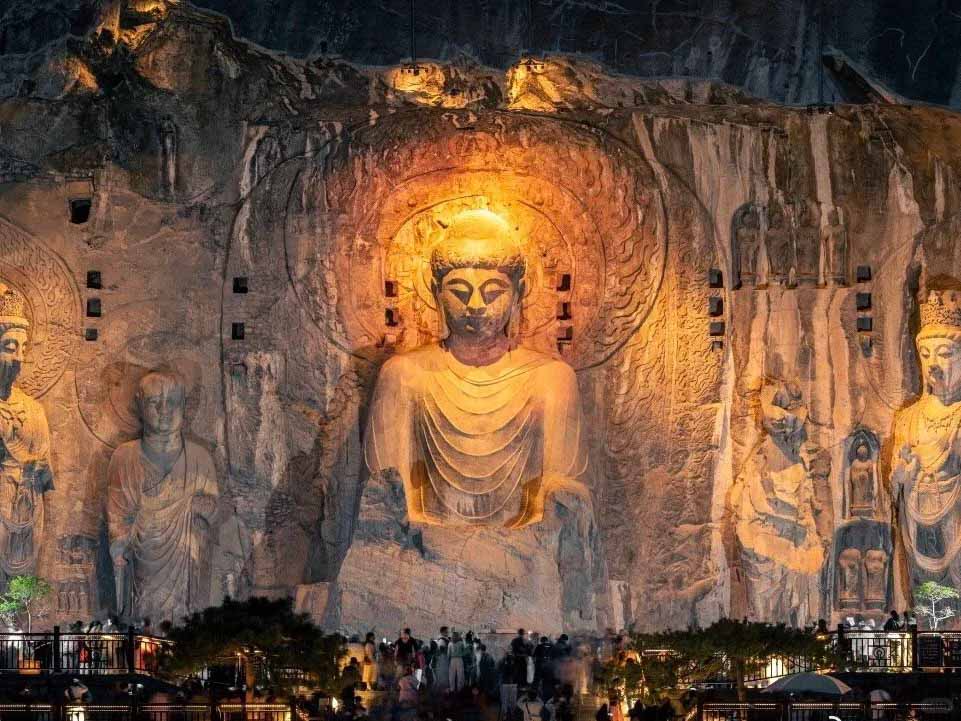
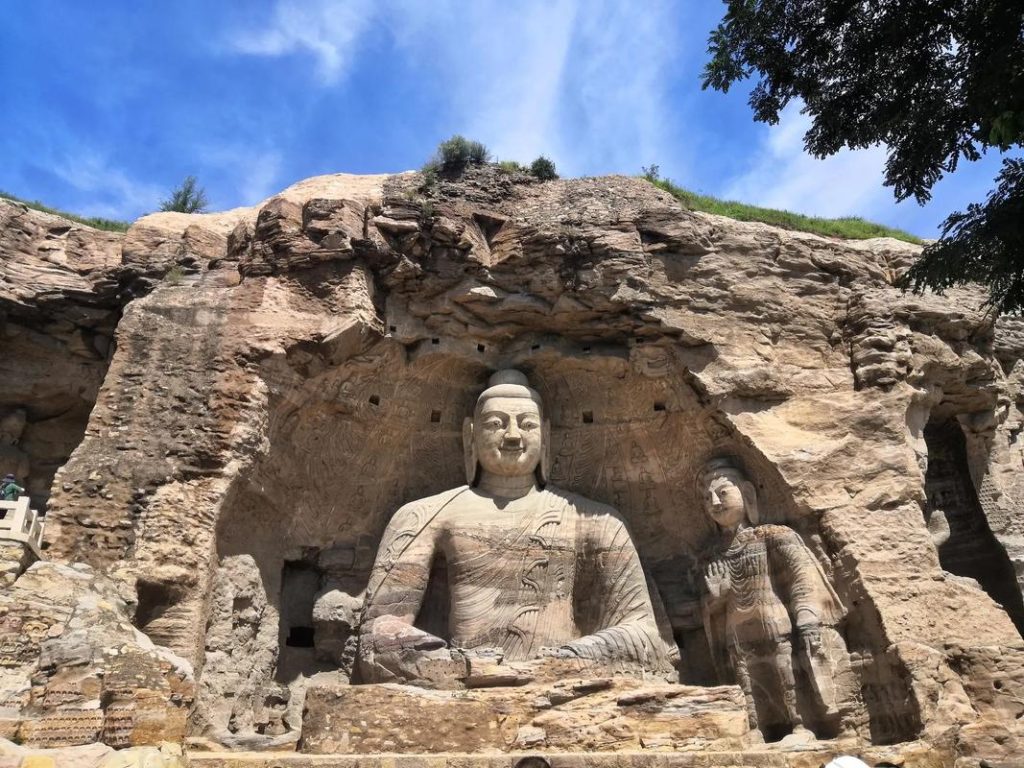
Key Differences Analysis
1: Different Art Forms
- Mogao Caves: Because the rock is gravel, not suitable for fine carving, ancients mainly used clay sculptures and murals for expression, best place to see paintings and colored sculptures.
- Longmen and Yungang: Both stone carvings. Yungang early statues more rugged and exotic (heavily influenced by India); Longmen is the refined style after full Sinicization, especially Tang dynasty statues very plump and rounded.
2: Different Historical Status
- Mogao Caves: It is the hub of the Silk Road, the ‘Encyclopedia’ of cultural exchanges between East and West, and the discovery of the Scripture Cave even rewrote academic history.
- Yungang: It is the first large-scale grotto carved by the Northern Wei royal family, establishing the ‘Pingcheng Model’, which influenced the later Longmen Grottoes.
- Longmen: It represents the completion of the Sinicization of Buddhist art, and is closely related to the Tang Dynasty royal family such as Wu Zetian.
3: Different Tour Experiences
- Mogao Caves: The management is the strictest, requiring advance booking, watching a digital movie first then taking a shuttle bus, the process is long, with a strong experience but quite tiring.
- Longmen: Night tours are available, the scenery is very unique, and it’s close to Luoyang city center, with convenient transportation.
- Yungang: The open-air Buddha is very shocking, with strong visual impact, and after the scenic area’s expansion, the environment is very grand.
The millennium splendor of the Mogao Caves is hidden between wind, sand, and murals; every stroke of colored painting and every colored sculpture is a witness to the fusion of Eastern and Western civilizations. Following this guide, with civilized visits and reasonable planning, you can efficiently unlock the essence of the scenic spot, and also calm down to dialogue with thousand-year-old art, feeling the infinite charm of Dunhuang culture.
No matter where you come from—overseas or Hong Kong, Macao, and Taiwan regions—we sincerely invite you to step onto this magical land and personally appreciate the profoundness of Chinese culture. We provide professional private customized Northwest travel services and multi-language expert guide explanations, tailoring a unique in-depth Dunhuang journey for you, so that you not only ‘see’ Dunhuang, but also ‘understand’ Dunhuang, embarking on an unforgettable cultural exploration journey.