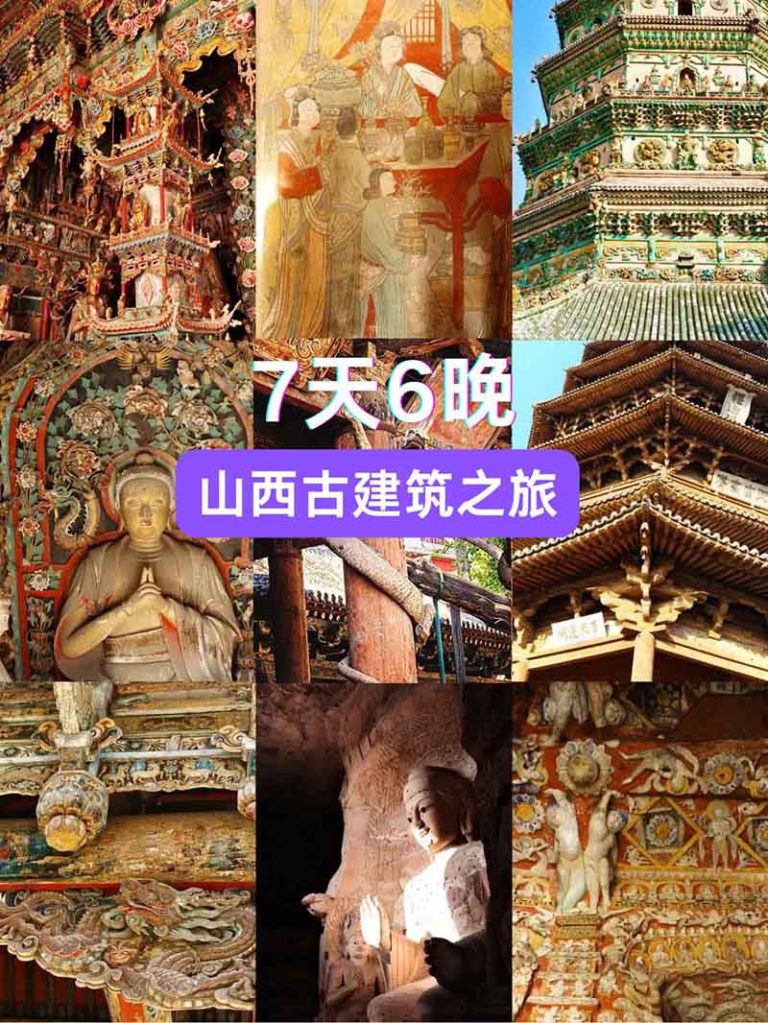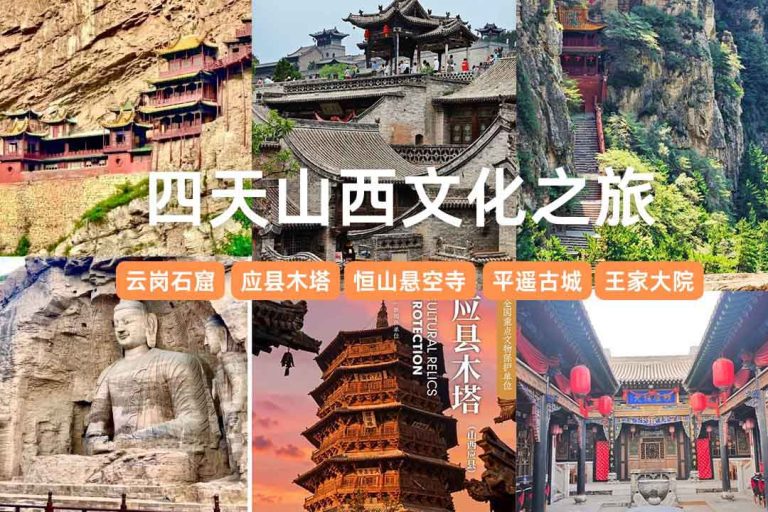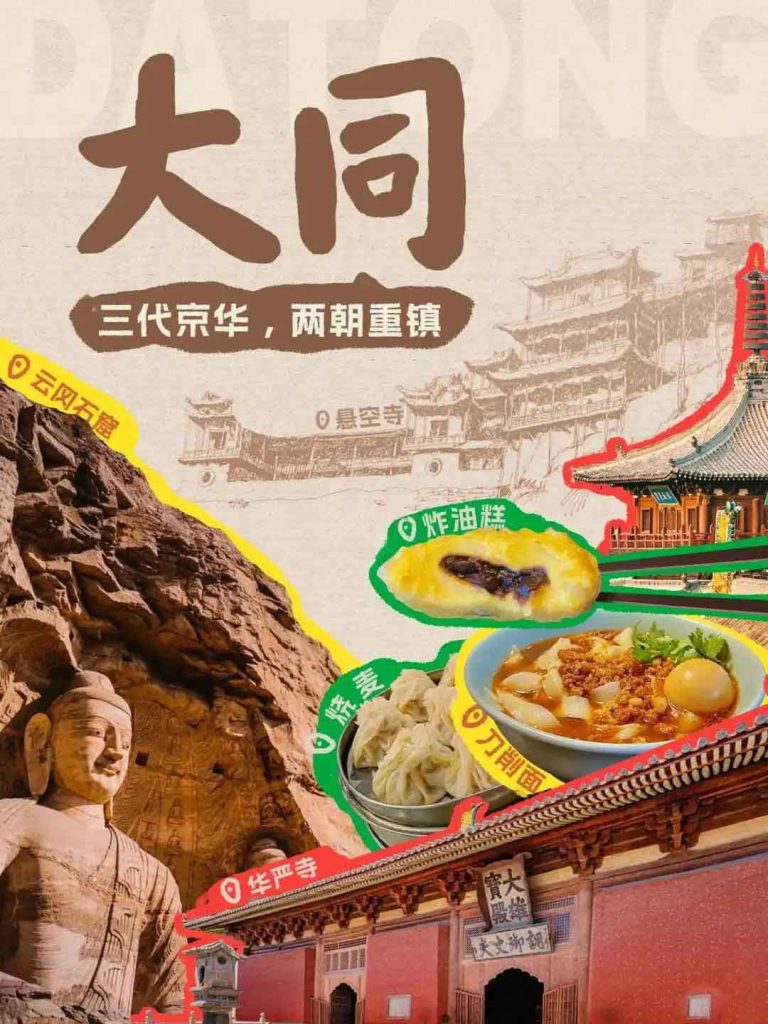
On China’s map, few provinces can, like Shanxi, silently narrate the 3,000-year evolution of Chinese civilization through such dense and complete material remains.
Here there are no bustling urban neon lights, yet there are the lowered brows of the Northern Wei Buddha in the Yungang Grottoes;
Here, not relying on rivers and seas for access, it once influenced half of China through the financial network of Pingyao’s ticket offices “connecting the world”;
The mountains here are not high, yet they stand with the world’s tallest wooden pagoda;
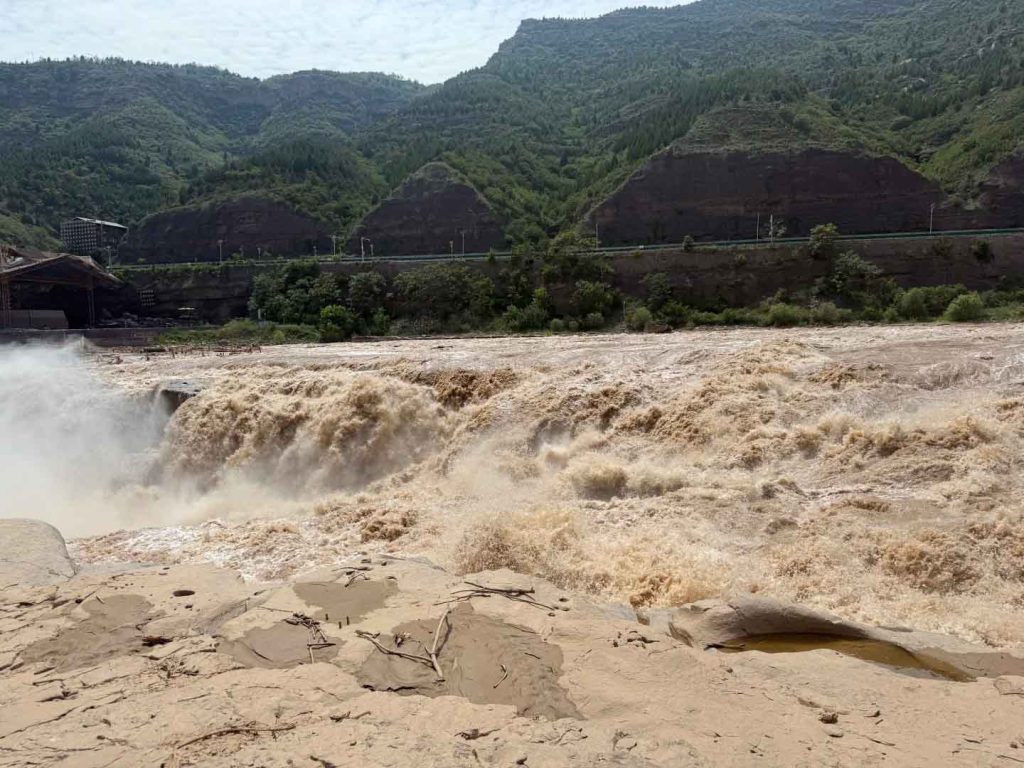
The rivers here are not wide, yet at Hukou they surge with the eternal chant of **”The Yellow River’s waters come from the sky”**.
Shanxi, known as the “land embraced by mountains and rivers,” is an important birthplace of Chinese civilization and a living museum of ancient Chinese architecture—over 75% of the country’s surviving pre-Yuan wooden structures are concentrated in Shanxi, and its 657 national key cultural relics protection units rank first in the country. From the early traces of Buddhism’s eastward transmission, to the majestic grandeur of Liao and Jin architecture; from the commercial wisdom of the rise of Shanxi merchants, to the resilient spirit of the Yellow River’s children, this yellow earth has always guarded the roots of Chinese culture with a silent and profound posture.
This itinerary carefully designs a 7-day in-depth clockwise loop route from north to south, avoiding detours and exhausting travel, connecting four major cultural sections: Jinbei religious ancient architecture, Jinzhong Jinshang culture, Jinnan root ancestor art, and Yellow River wonders. In one week, you will systematically step into those textbook names—Yingxian Wooden Pagoda, Yungang Grottoes, Mount Wutai, Pingyao Ancient City, Xiaoxitian, Guangsheng Temple… no longer just a fleeting glance, but truly seeing, hearing, and touching the warmth of a thousand years of civilization.
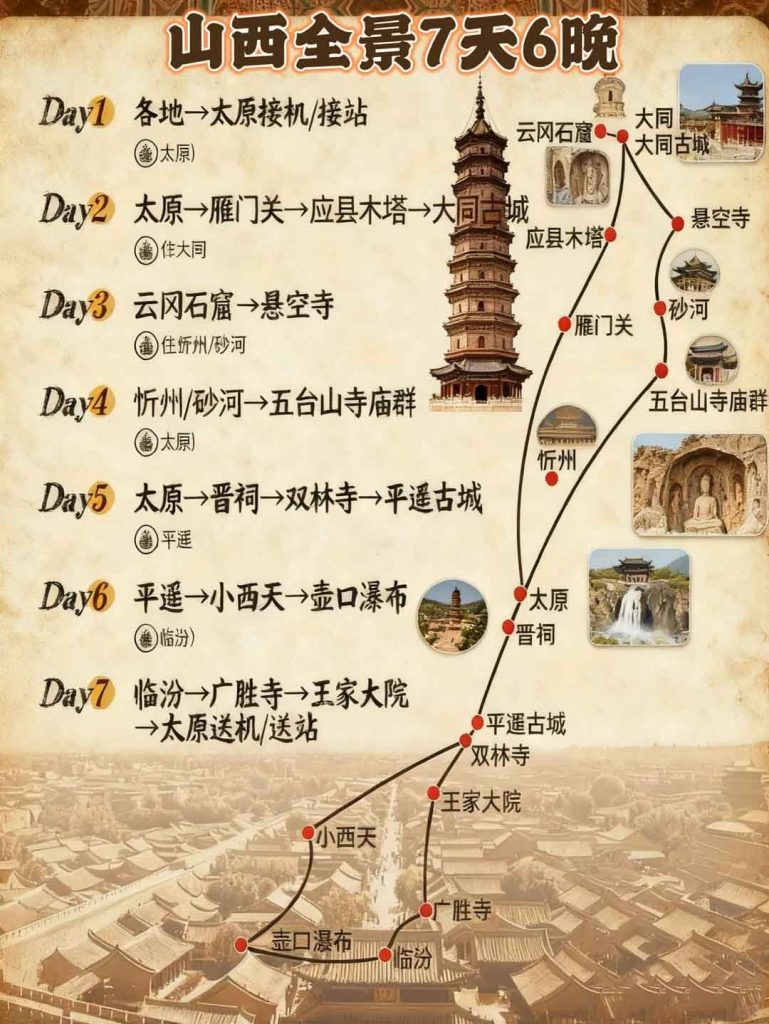
Itinerary Summary
| Day | Core Itinerary | Accommodation |
|---|---|---|
| Day 1 | Arrival in Taiyuan from various places (pickup) | Taiyuan |
| Day 2 | Yanmen Pass → Yingxian Wooden Pagoda → Datong Ancient City | Datong |
| Day 3 | Yungang Grottoes → Hanging Temple | Xinzhou / Hunyuan |
| Day 4 | Mount Wutai Temple Complex (Xiantong Temple, Wuye Temple, etc.) | Mount Wutai |
| Day 5 | Jinci Temple → Shuanglin Temple → Pingyao Ancient City | Pingyao |
| Day 6 | Xiaoxitian → Hukou Waterfall | Linfen |
| Day 7 | Guangsheng Temple → Wang Family Compound → Taiyuan drop-off | — |
Note: The itinerary advances clockwise along geographical lines, avoiding backtracking. Daily driving distances are reasonable, balancing depth and comfort.
Detailed Itinerary
Day 1|First Encounter with Taiyuan · Starting the Shanxi Journey
Arrive in Taiyuan, the capital of Shanxi Province, and check into the hotel with a dedicated pickup.
In the evening, stroll freely through the Taiyuan Ancient County Town, enjoy a bowl of chewy knife-cut noodles, and experience the local life and historical warmth of Shanxi in advance.
Day 2|Frontier Pass · Liao-Jin Miracle
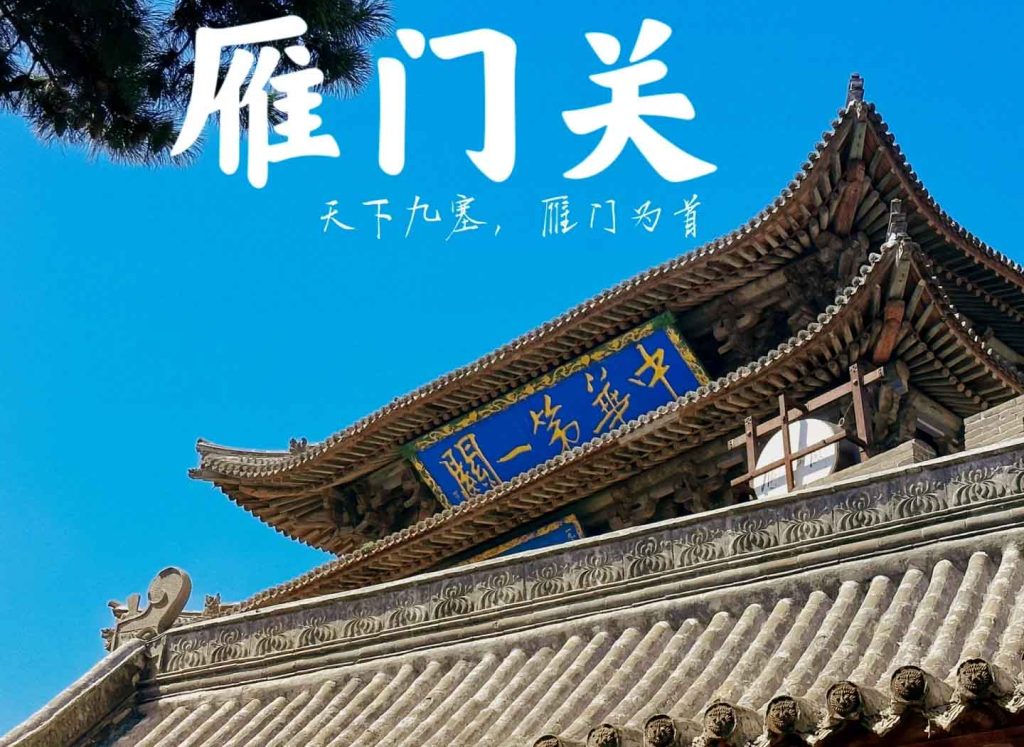
- Yanmen Pass: Climb the “First Pass of China,” walk the Ming Dynasty Great Wall, and imagine the loyal and brave legends of the Yang family generals guarding the frontier;
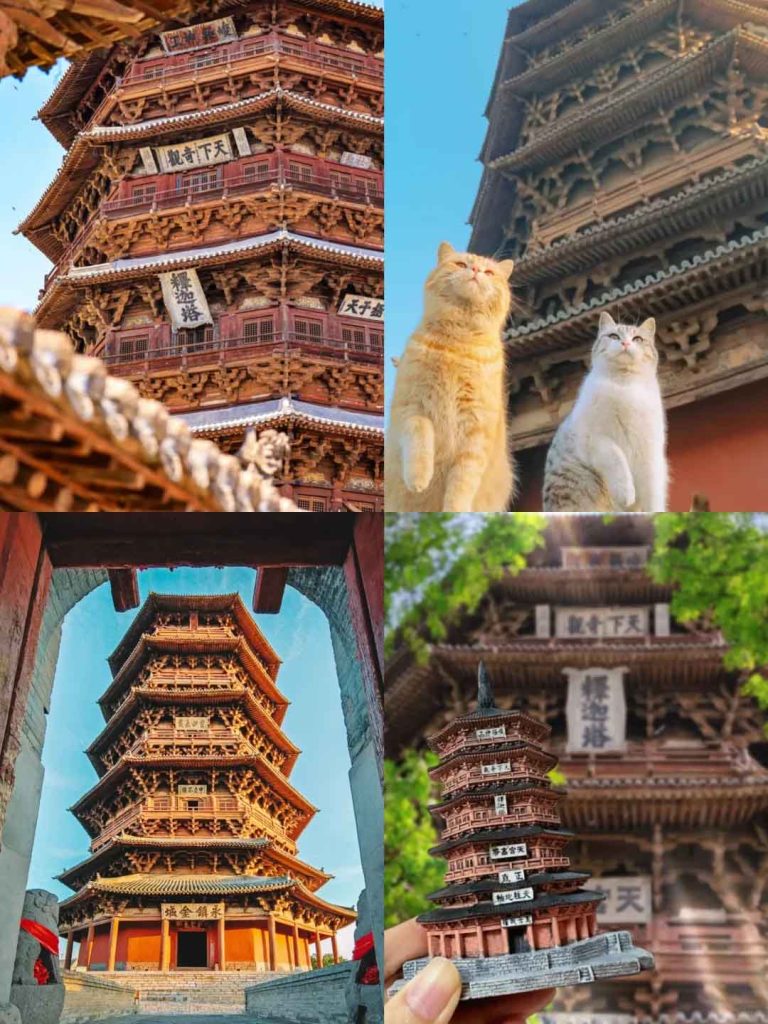
Yingxian Wooden Pagoda: Gaze up at the world’s tallest and oldest surviving pure wooden pagoda (67 meters), standing for a thousand years without nails or rivets, a pinnacle of ancient Chinese architectural wisdom;
Overnight in Datong Ancient City, savor Hunyuan liangfen and lamb offal soup, letting the flavors of northern Shanxi warm you to sleep. - Day 3|Grottoes Buddha Light · Temple in the Air
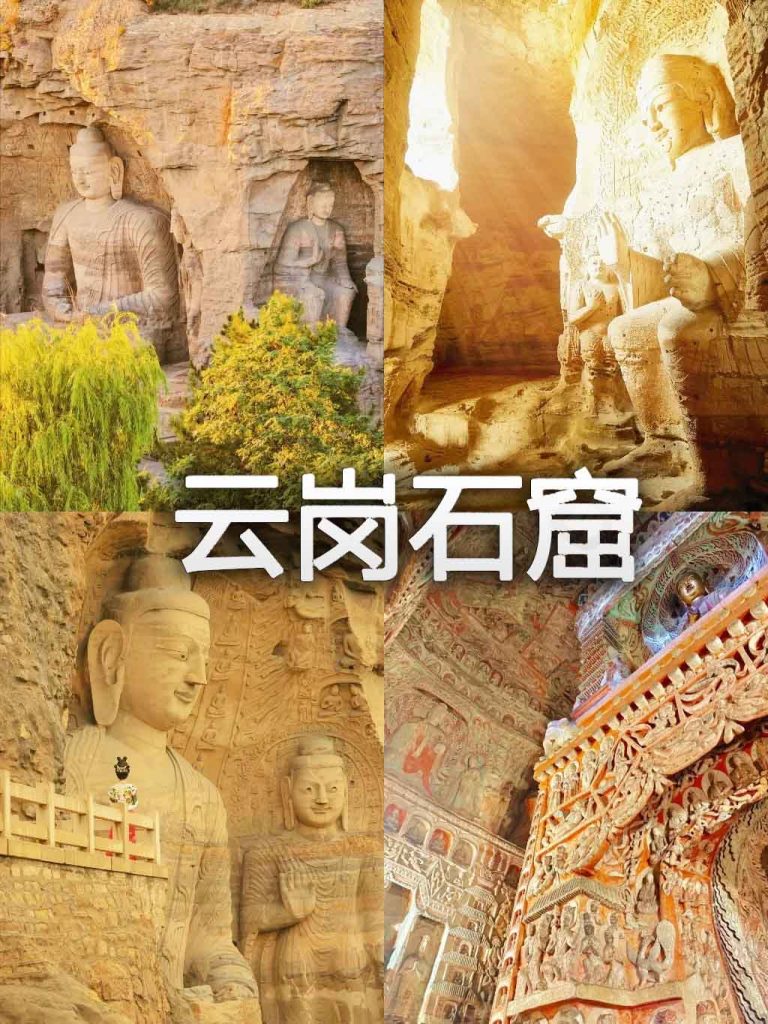
- Yungang Grottoes
Hanging Temple
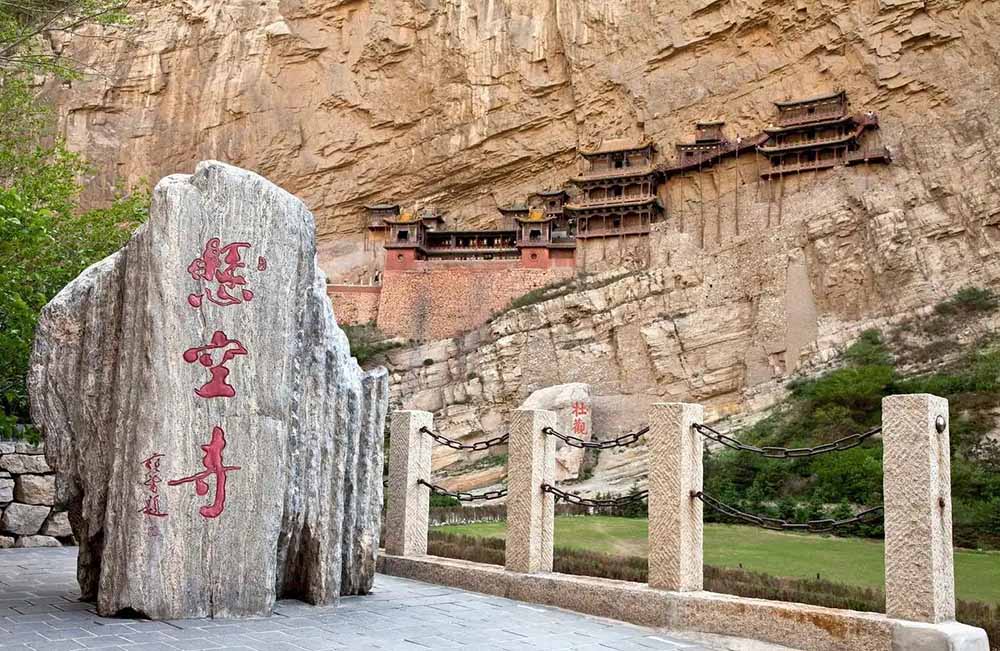
Hanging Temple: Visit the thousand-year-old temple built on a sheer cliff, with 27 beams embedded in the rock, where Confucianism, Buddhism, and Taoism coexist under one roof, combining danger and ingenuity.
- Mount Wutai
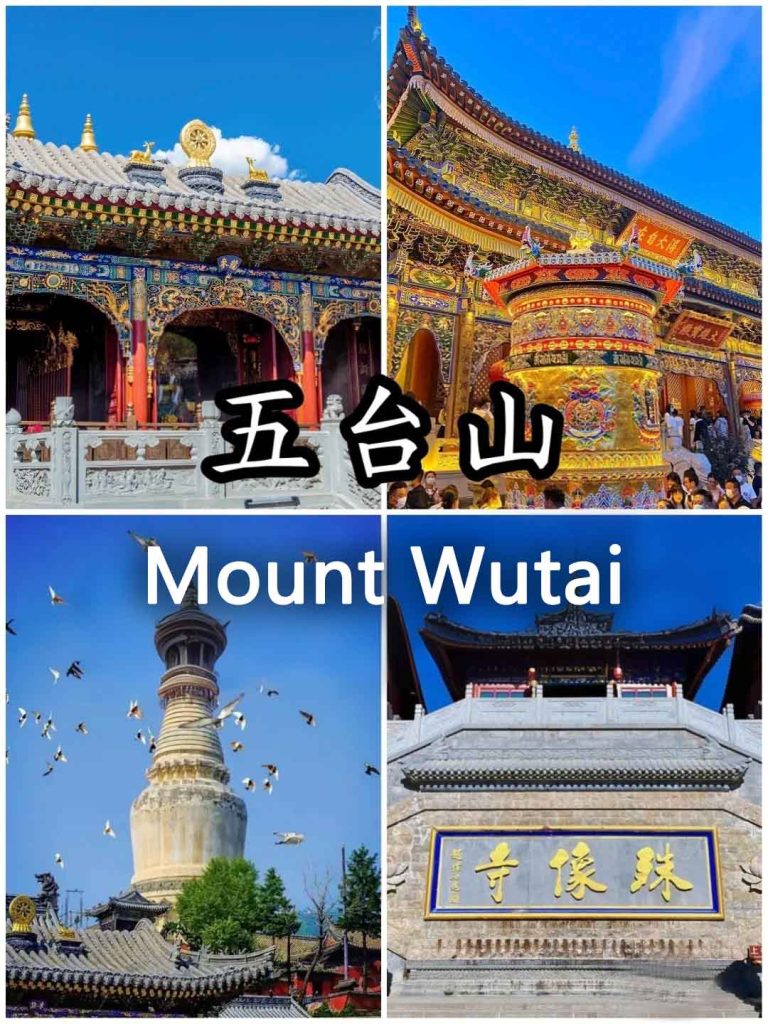
- Deep into Mount Wutai—the foremost of China’s four famous Buddhist mountains:
Pay homage to Xiantong Temple, founded in the Eastern Han Dynasty, and the incense-filled Wuye Temple (Wanfo Pavilion), feeling the tranquility and solemnity of the cool Buddhist realm amid morning bells, evening drums, and chanting.
Overnight in Taihuai Town, listening quietly to the mountain wind through the forests.
Day 5|Jinshui Cultural Veins · Hometown of Jin Merchants
Pingyao Ancient City
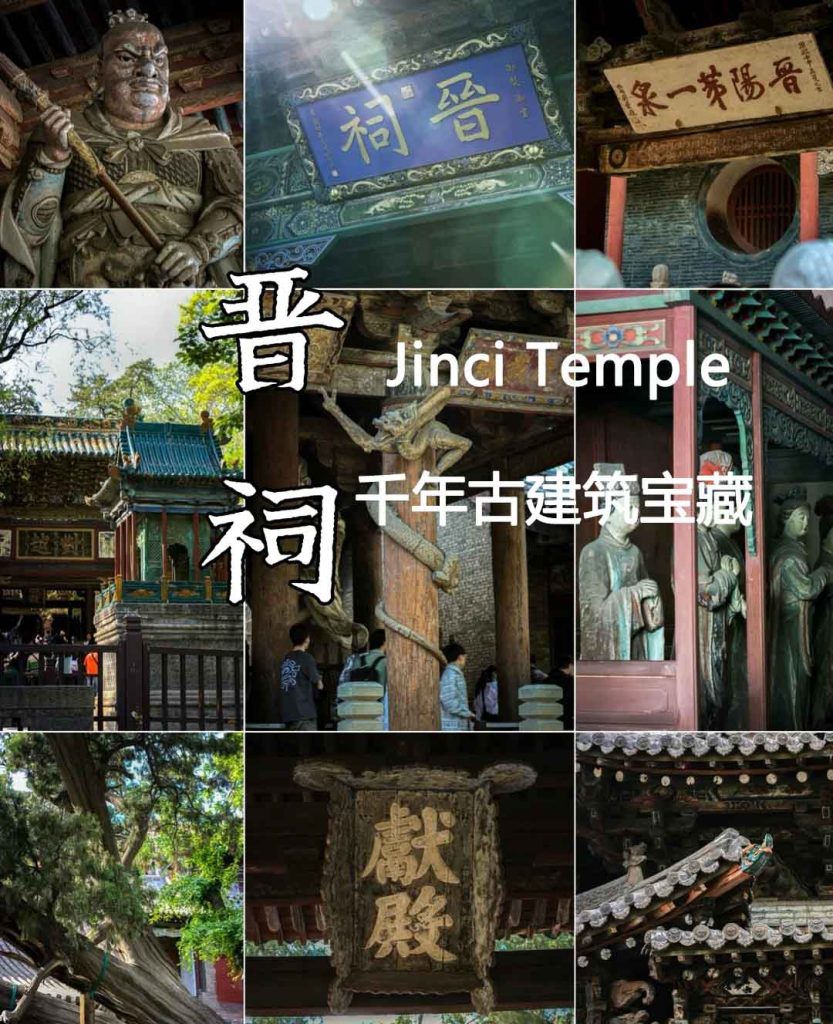
Jinci Temple: Explore the “Museum of Ancient Chinese Architecture,” admire the varied expressions of the Song Dynasty maid statues in the Holy Mother Hall, touch the thousand-year-old cypress trees, and trace Taiyuan’s 2,500-year city-building history;
Shuanglin Temple: Enter the “Oriental Colored Sculpture Art Treasury,” where over 400 Ming Dynasty colored sculptures come alive with flowing eyes and fluttering robes, hailed as the “Oriental Sculpture Art Palace”;
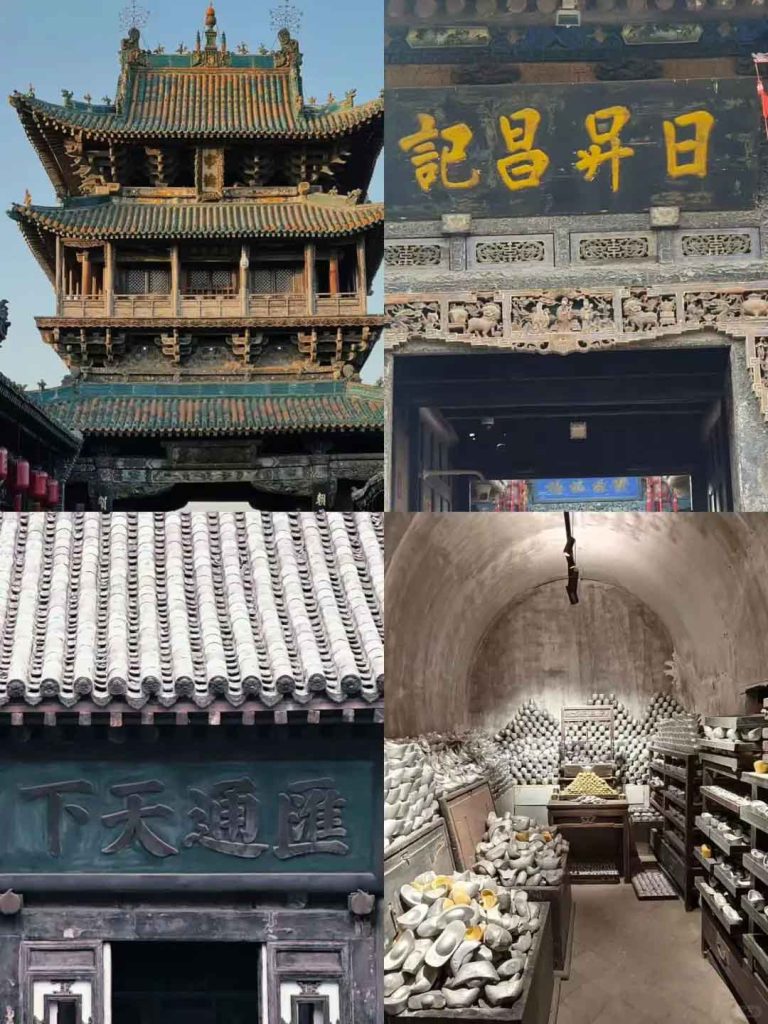
Arrive in Pingyao Ancient City in the evening, stay in a Ming-Qing courtyard house, and stroll the lantern-lit South Street at night, as if traveling back to the golden age of Jin merchants with their ticket offices.
- Shanxi Hukou Waterfall
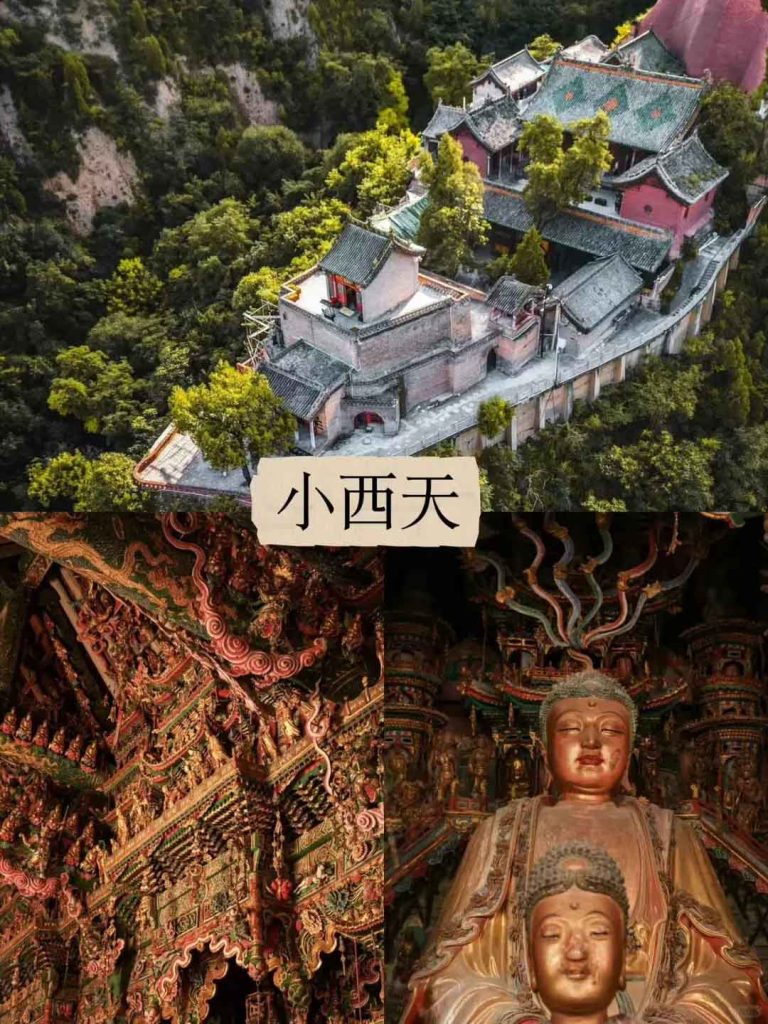
- Xiaoxitian: Explore the Ming Dynasty temple hidden deep in the Loess Plateau, where layers of hanging sculptures condense the Buddhist paradise into a small space, regarded as the ultimate masterpiece of Chinese hanging sculpture art;
Hukou Waterfall: Stand at the Shanxi-side viewing platform and watch the Yellow River surge like thunder, turbid waves filling the sky, with rainbows often appearing in the rising mist, showcasing the majestic power of the Mother River. - Day 7|Glazed Treasure · Folk Forbidden City · Complete Return
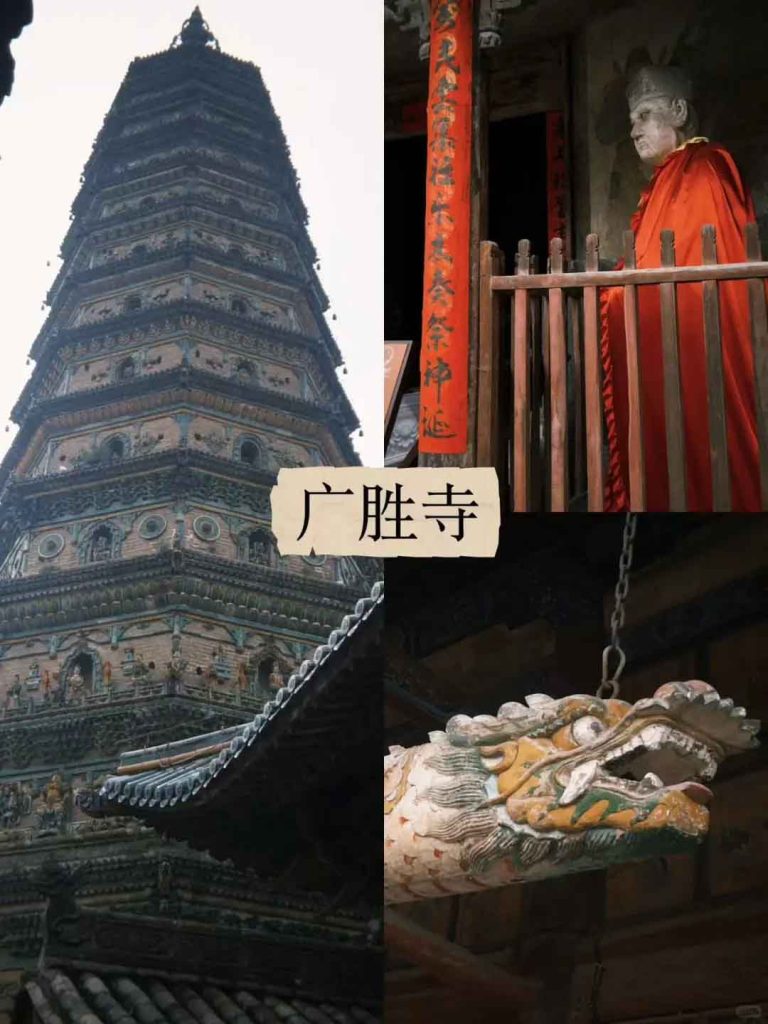
Guangsheng Temple
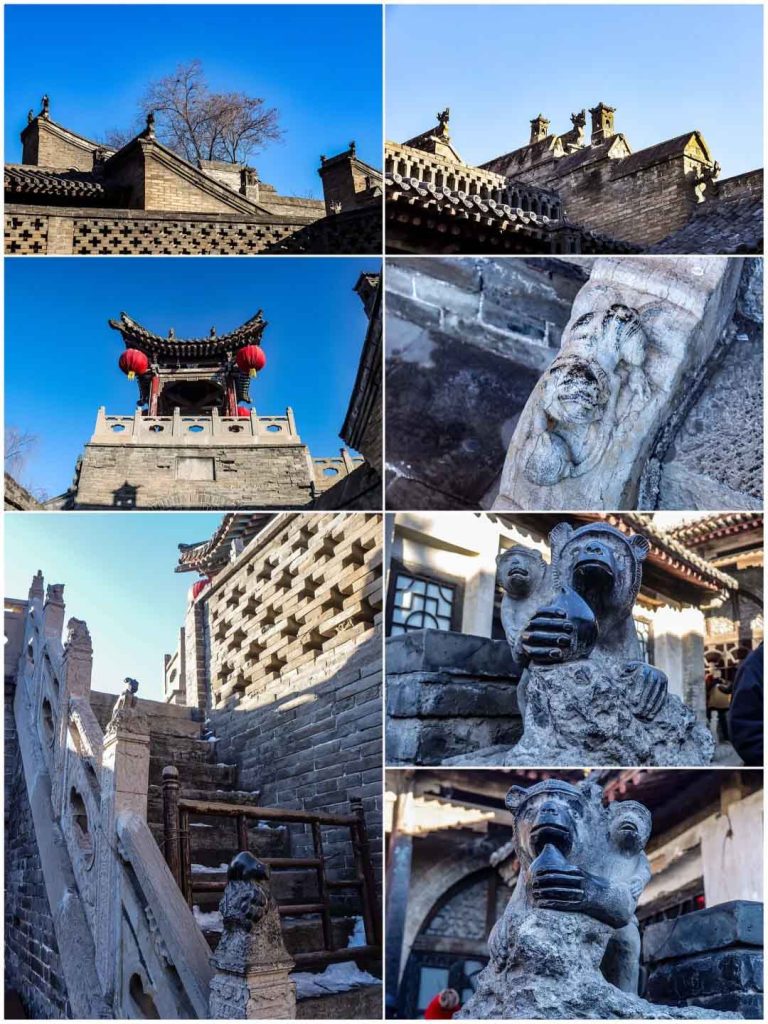
Wang Family Compound: Stroll through the “Folk Forbidden City,” with its 5 lanes and 6 fortresses built against the mountains, exquisite brick, wood, and stone carvings, where every window and lattice tells the rituals, wealth, and family traditions of the Jin merchant families;
In the afternoon, a private car will take you to Taiyuan Airport/Station, carrying memories of Shanxi as you head home.
- Conclusion
- Seven days are short, too short to finish reading the “Zizhi Tongjian”;
Seven days are also long, long enough to understand “craftsmanship” beneath the Yingxian Wooden Pagoda, “integrity” on the walls of Pingyao, and “blood surging” before the Hukou Waterfall.
This journey is not about checking off a list, but awakening cultural genes.
When your child points to the great Buddha in Yungang Cave 20 and asks “Why does he smile so compassionately,”
When your parents sigh in front of the door pier of the Wang Family Compound, “So wealth also requires rules,”
When you yourself stand beneath the hanging sculptures of Xiaoxitian and suddenly hold your breath—
At that moment, you are no longer a tourist, but a fellow traveler in the long river of civilization.
- We have prepared for you:
- ✅ Professional cultural guides who explain the historical codes behind every ancient building
✅ Comfortable private car and selected accommodations to ensure a worry-free journey
✅ In-depth experience pace, rejecting superficial sightseeing
Limited spots, precious seats.
Don’t let “next time” become a regret—
This autumn, or next spring, bring your family to Shanxi and pack 5,000 years of China into a seven-day journey.
📞 Consult now to customize your Shanxi cultural pilgrimage
— Because true travel begins with footsteps and ends with the soul.
📞 Consult now to customize your itinerary
- ✅ 1-on-1 itinerary customization for families/small groups (can add/remove attractions, adjust pace, upgrade to premium accommodations)
- ✅ Child-friendly explanations (story-based, interactive)
- ✅ Elderly care services (wheelchair assistance, rest point arrangements)
✅ Includes professional cultural leader
✅ No shopping, no hidden charges throughout
Scan to add a travel consultant


📞 立即咨询定制行程
- ✅ 1对1行程家庭/小团专属定制(可增减景点、调整节奏可升级高端住宿)
- ✅ 儿童友好版讲解(故事化、互动化)
- ✅ 老人关怀服务(轮椅协助、休息点安排)
- ✅ 含专业文化领队
- ✅ 全程无购物、无隐形消费
扫码添加旅游顾问