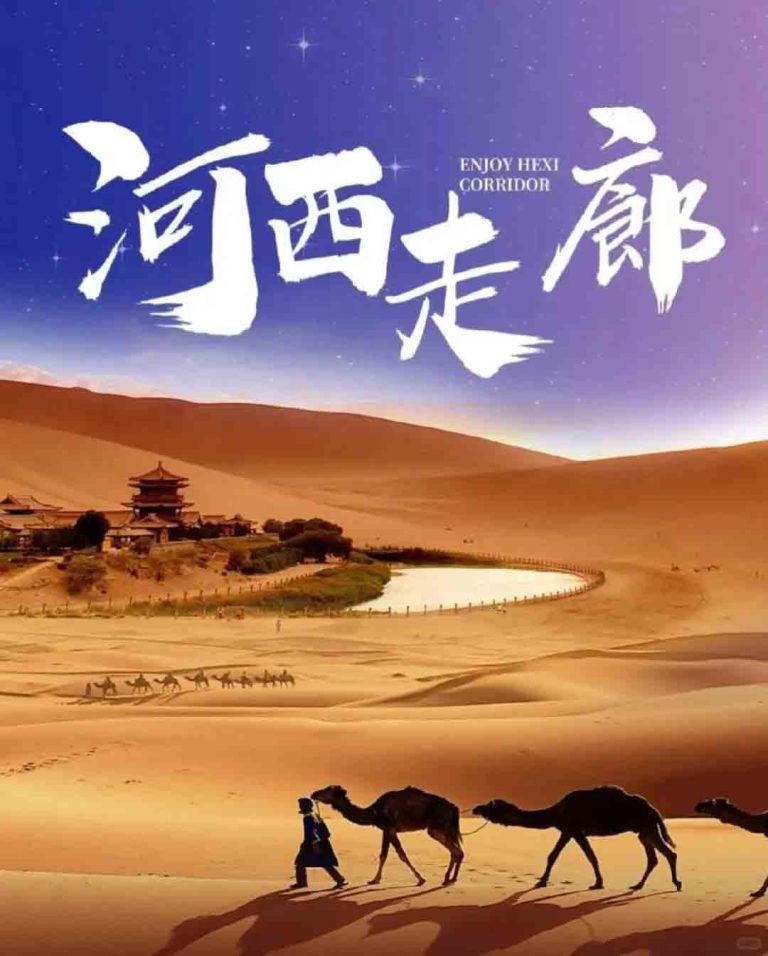

If this is your first time visiting Gansu, you may find that it isn’t the kind of destination where you can just “visit one place.”
Gansu is long and vast.
From the Gannan Grasslands and Tibetan Buddhist monasteries in the south, to Zhangye, Jiayuguan, and Dunhuang in the Hexi Corridor, and on to the deserts, snow-capped mountains, and oases at the foot of the Qilian Mountains—within just a few hundred kilometers, the landscape and cultural scenery undergo dramatic changes.
So, if this is your first time visiting Gansu, rather than limiting your itinerary to just one of these areas—Lanzhou, Dunhuang, or Zhangye—you might want to consider a more comprehensive itinerary:
Gannan + Hexi Corridor.
The greatest appeal of this route is that it allows you to experience completely different sides of Gansu in a single trip.
The first half of the journey features grasslands, snow-capped mountains, forests, monasteries, and Tibetan culture; the second half takes you into the Hexi Corridor, where you’ll see Danxia landforms, the Gobi Desert, the Great Wall, ancient cities, and the Mogao Caves.
This is a great itinerary for those exploring Gansu for the first time.
1. Why is a trip to Gannan
and the Hexi Corridor recommended for first-time visitors to Gansu?
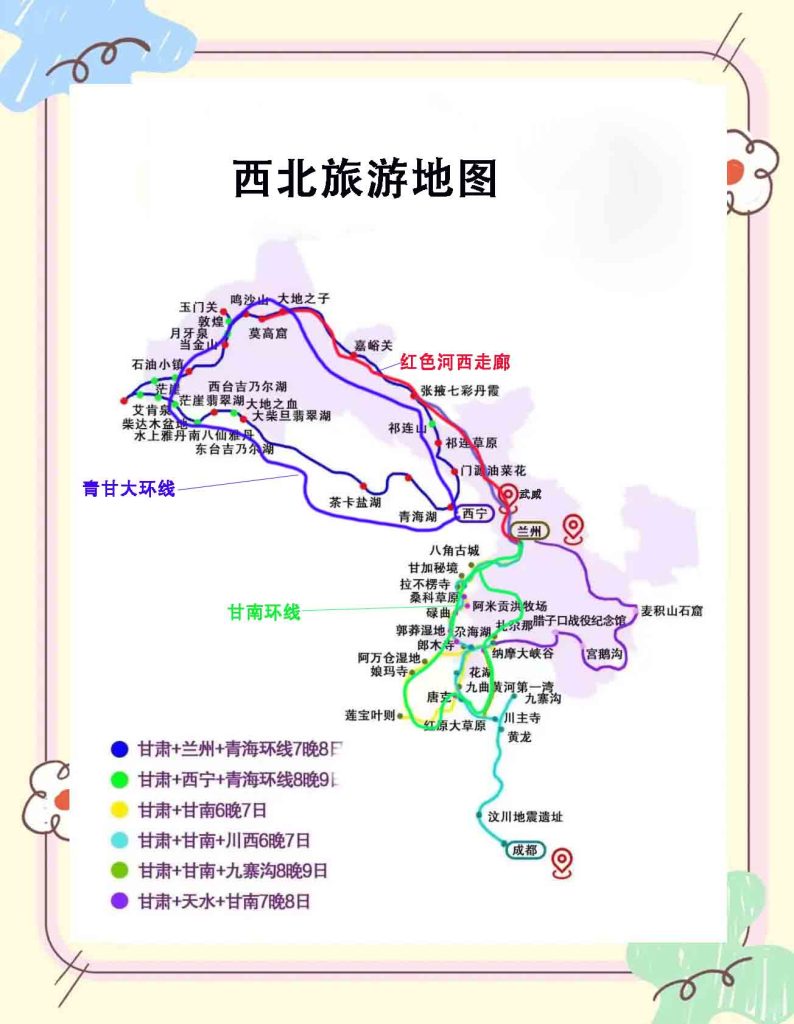
Many people visiting Gansu for the first time choose to take the classic Hexi Corridor route:
Lanzhou → Wuwei → Zhangye → Jiayuguan → Dunhuang
This is, of course, a very classic route.
However, if time permits, I would recommend including Gannan in your itinerary.
This is because Gannan and the Hexi Corridor represent two completely different sides of Gansu.
Gannan: A Land of Plateaus and Grasslands
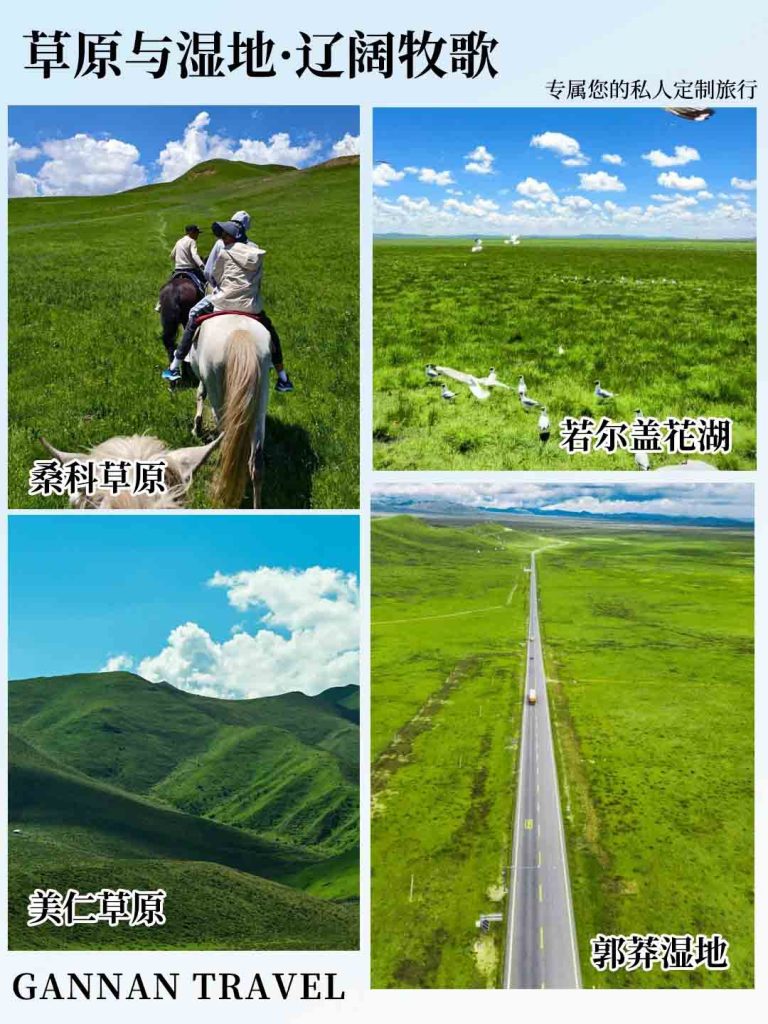
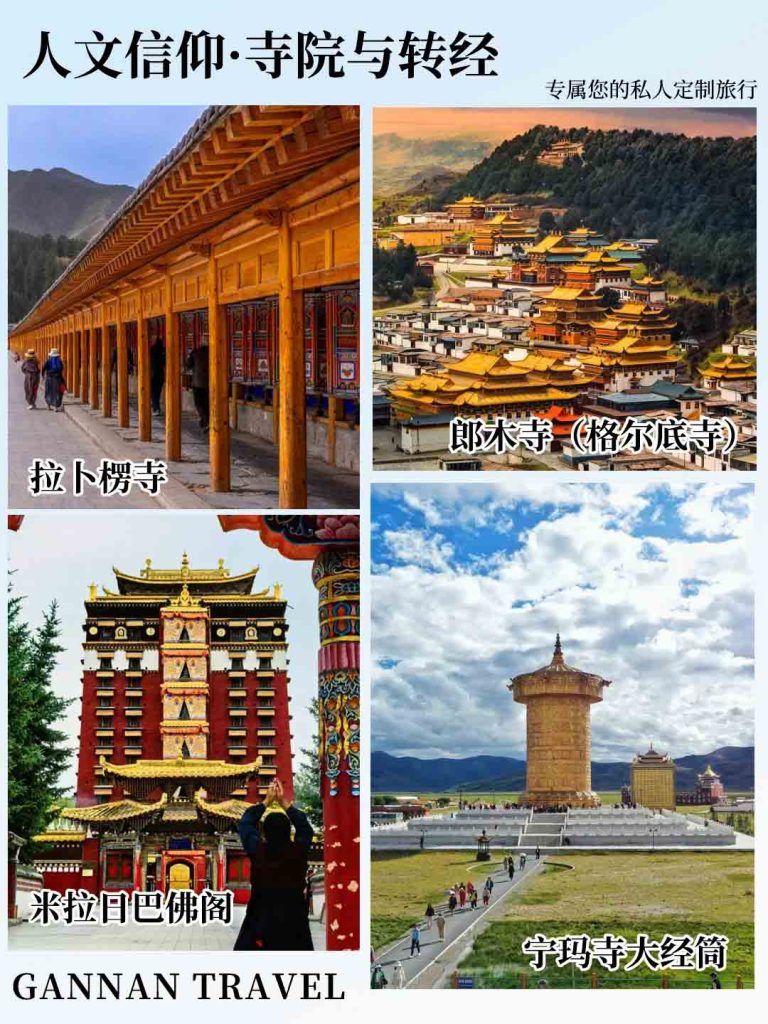
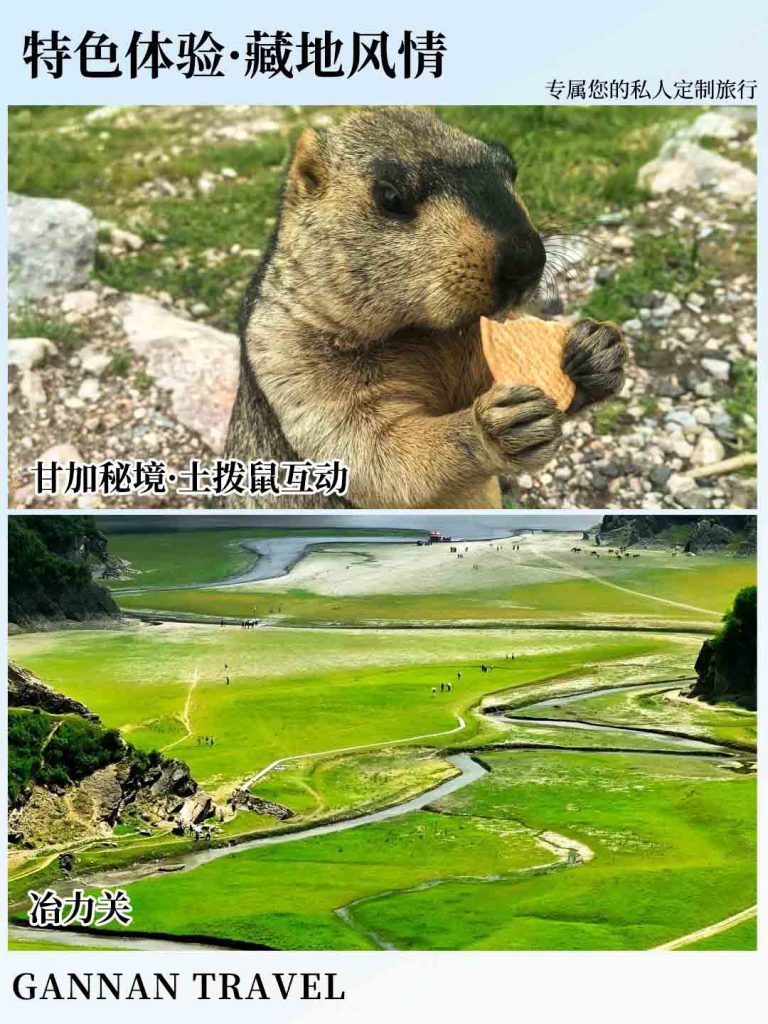
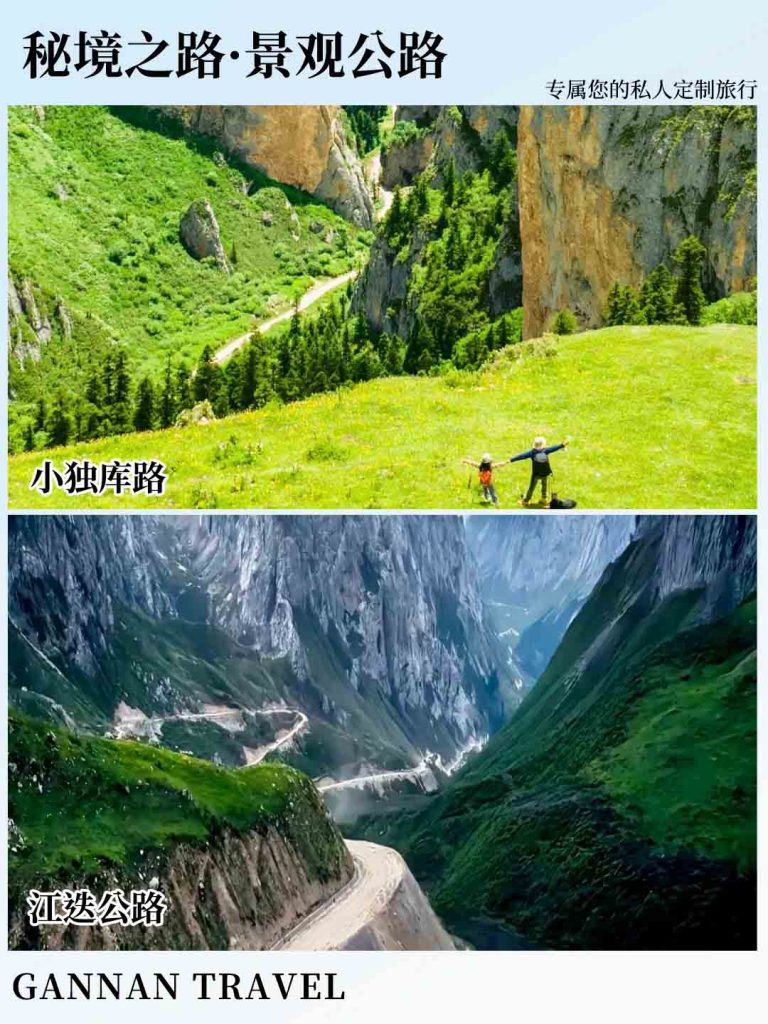
Gannan is located in southern Gansu and has a high elevation.
Here you’ll find vast grasslands, forests, rivers, and snow-capped mountains, as well as a rich Tibetan culture.
When you visit Gannan in the summer, you’ll see vast green grasslands, with herds of yaks and sheep scattered across the hillsides.
When fall arrives, the grasslands begin to turn golden, and the forests gradually enter their most beautiful season.
The pace of travel here is a bit slower.
You can stop on the grasslands to admire the prayer flags at Tibetan monasteries and the valleys, or take a leisurely drive along the highway through small Tibetan towns.
The Hexi Corridor: A Land of History and Desert
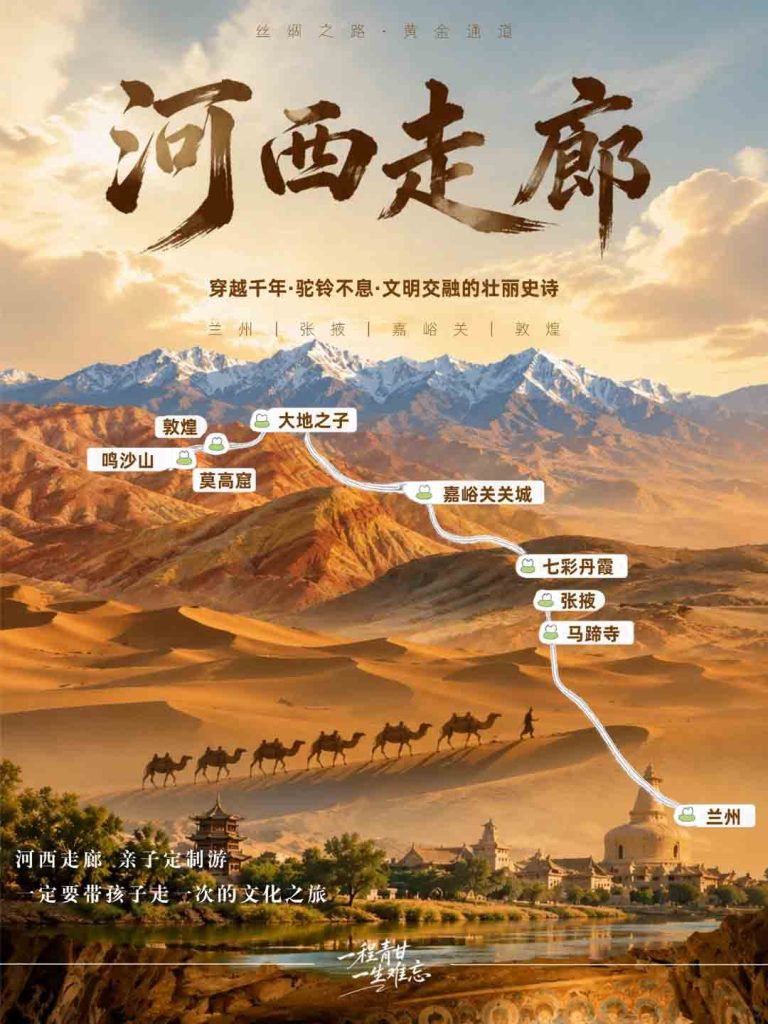
After leaving Gannan, as you head northwest into the Hexi Corridor, the landscape changes abruptly.
The grasslands are gradually being replaced by the Gobi and other deserts.
But it’s not monotonous here.
On the contrary, the Hexi Corridor has been one of the most important routes for East-West exchange in Chinese history.
The Danxia landforms of Zhangye, the Great Wall at Jiayuguan, the Mogao Caves in Dunhuang, and the numerous grottoes, ancient cities, and beacon tower ruins along the way all tell the stories of this land’s past.
If Gannan makes you feel the power of nature and faith, then the Hexi Corridor offers you a sense of history and civilization.
2. How should I plan an itinerary?
If it’s your first time visiting Gansu, I’d recommend setting aside about 10–12 days.
Adjustments can be made based on the time, but you can generally follow this approach:
Lanzhou → Xiahe → Gannan Grasslands → Zaga’na → Langmu Temple → Lanzhou/Wuwei → Zhangye → Jiayuguan → Dunhuang
Of course, the specific itinerary can be adjusted based on the season and flight schedules.
If you have more time, you could also include the Qilian Mountains, Sunan, or parts of Qinghai to make your trip through the Northwest more complete.
Day 1 | Arrival in Lanzhou
Don’t overbook the first day.
Once you arrive in Lanzhou, you can check into a hotel in the city center and get some rest.
If you have time, you might want to take a walk along the Yellow River.
Lanzhou is a great starting point for exploring Gansu.
In the evening, you can enjoy a bowl of authentic Lanzhou beef noodle soup and try some local snacks.
If this is your first time visiting Northwest China, the unique atmosphere of Lanzhou is well worth experiencing.
Day 2 | Lanzhou → Xiahe → Labuleng Monastery
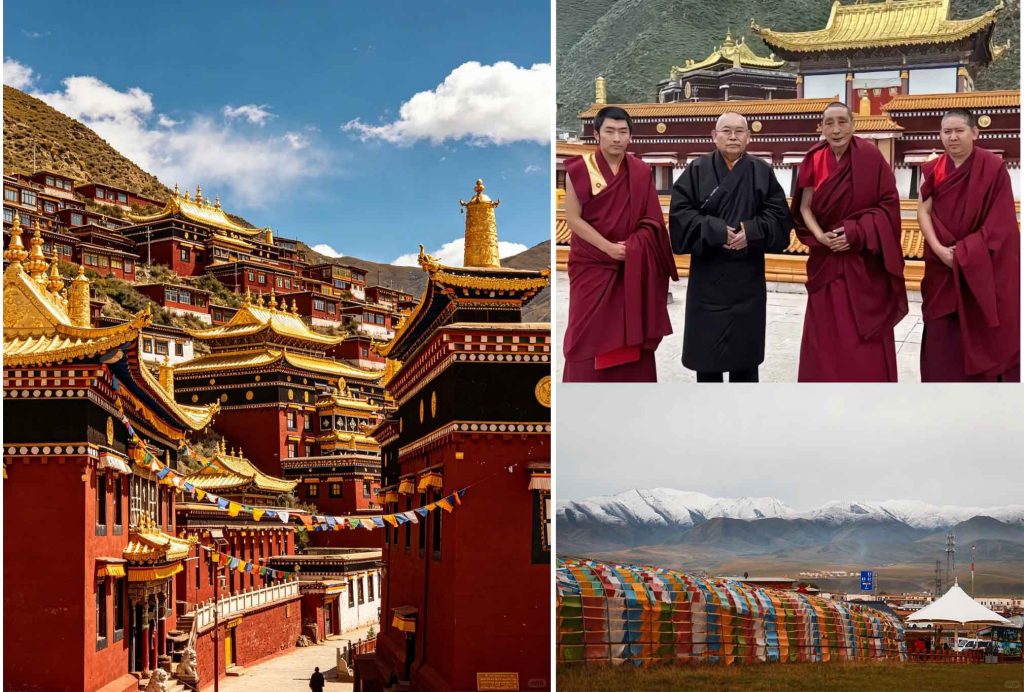
Leaving Lanzhou, we began our journey into Gannan.
As the elevation gradually increased, the cityscape slowly faded from view, and grasslands, valleys, and Tibetan villages began to appear along the way.
Once you arrive in Xiahe, you can visit the famous Labuleng Monastery.
Labuleng Monastery is one of the most important Tibetan Buddhist monasteries in Gannan, and it is also where many people first learn about Gannan.
The temple architecture blends seamlessly with the surrounding plateau landscape, giving it a very distinctive character.
If you have time, you can also take a leisurely walk around the temple grounds.
Don’t rush to see all the sights.
The best way to travel in Gannan is, after all, to take it slow.
Day 3|Xiahe → Sangke Grassland → Langmusi
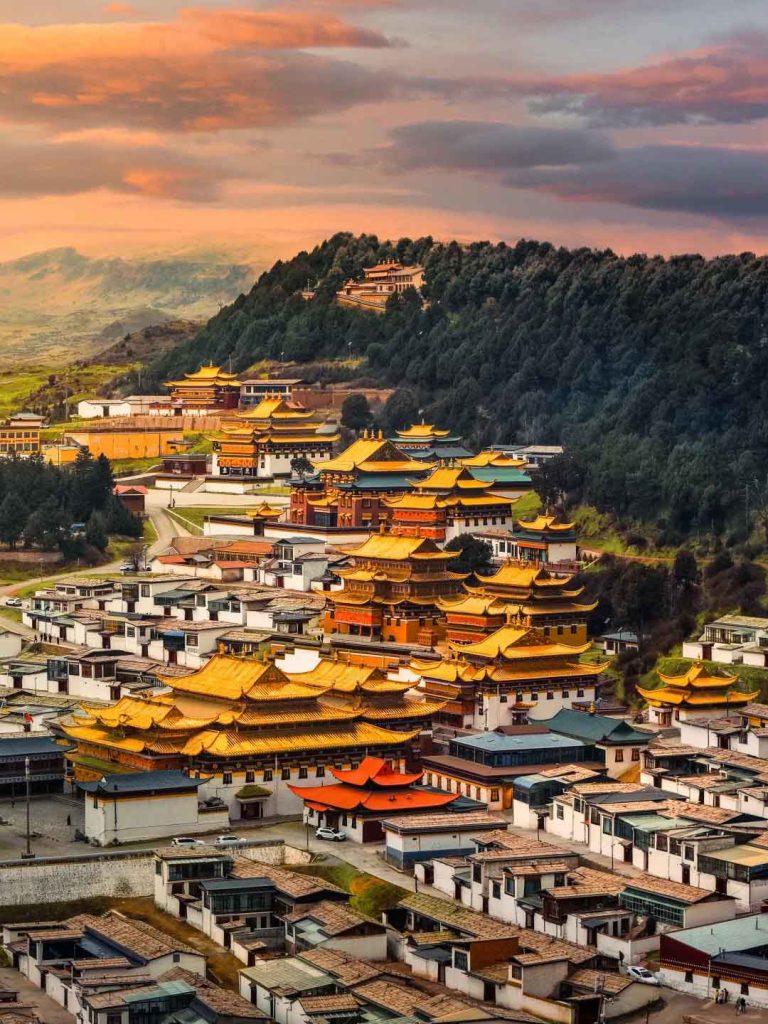
After leaving Xiahe, we continued deeper into Gannan.
The Sangke Grassland is a very typical highland grassland in Gannan.
In the summer, the grasslands are a sea of green, and on clear days, the blue sky, white clouds, snow-capped mountains, and herds of cattle and sheep come together to create a scene that is quintessentially Gannan.
If you continue west, you can reach Langmu Temple.
Langmu Temple is not merely a temple, but a small town with distinctive Tibetan characteristics.
The valleys, monasteries, and Tibetan-style architecture here blend together beautifully, making it the perfect place for a leisurely stroll.
D4 | Langmu Temple → Zaga’na
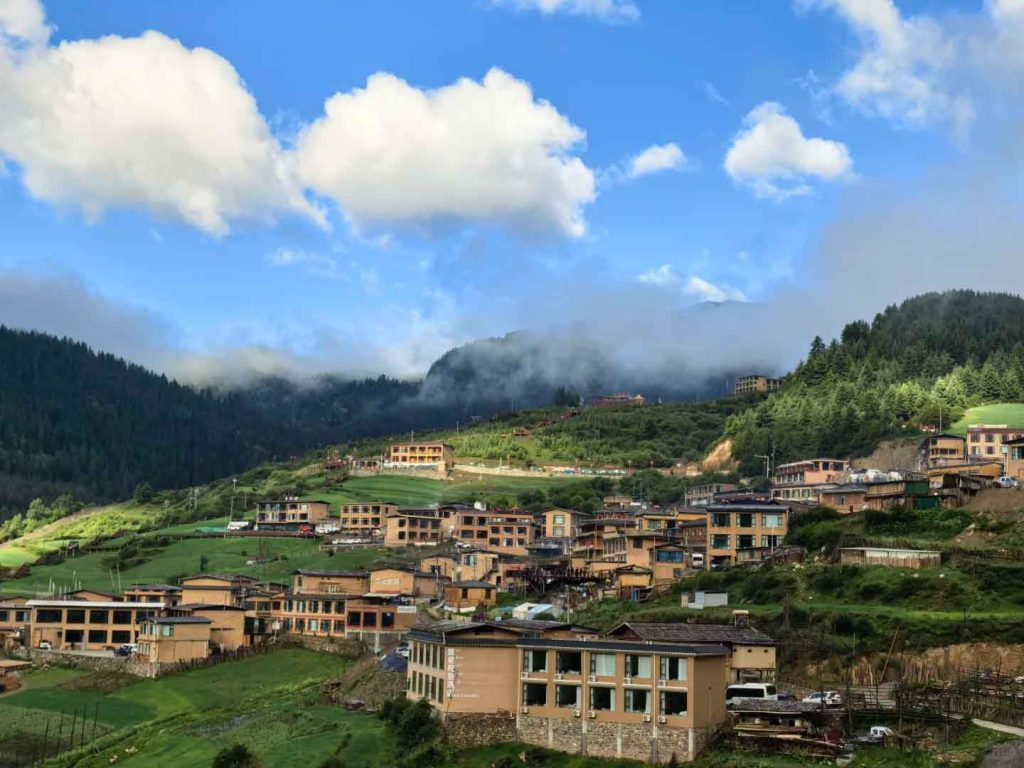
If I had to recommend just one place in Gannan, I would definitely put Zaga’na very high on the list.
The most distinctive feature of Zaga’na is that the entire village is surrounded by massive rock cliffs and mountain peaks.
Looking down from a high vantage point, you can see villages, valleys, forests, and distant mountains.
It’s especially beautiful in the early morning and at dusk.
This isn’t a place to rush through and leave.
If time permits, it’s best to stay overnight.
Waking up in the morning to watch the mist slowly clear from the valleys is more moving than just passing through in a hurry during the day.
Day 5 | Zaga’na → Gannan Grasslands → Lanzhou
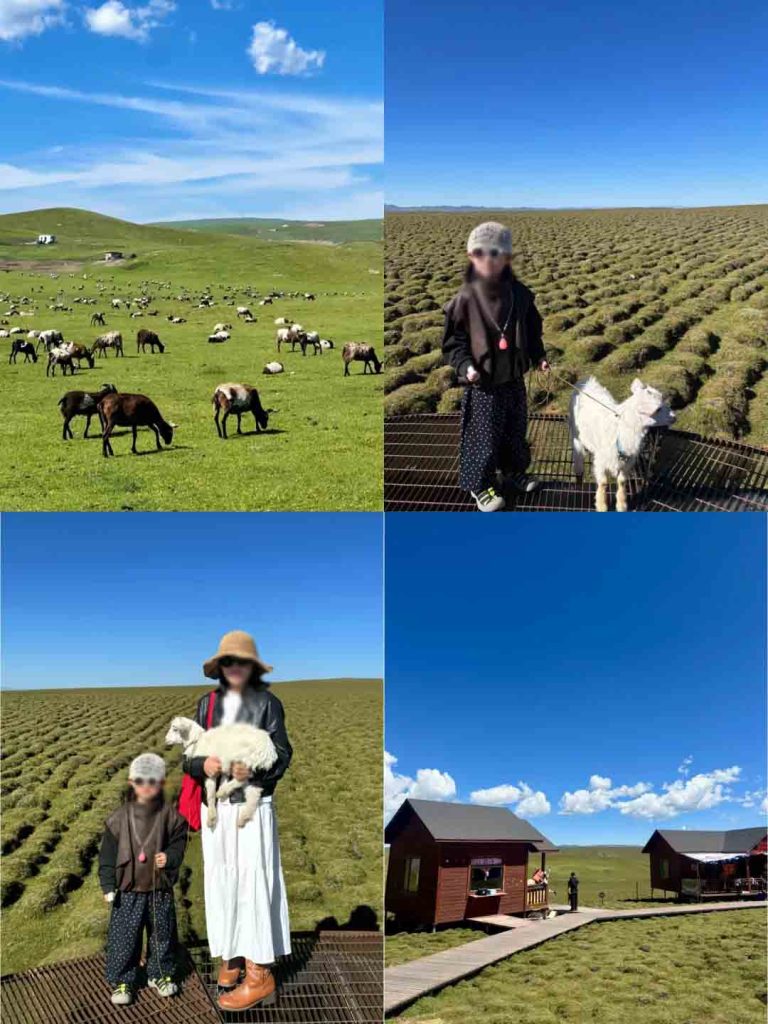
On this day, you can continue to enjoy the highland scenery of Gannan.
Along the way, you’ll pass through vast grasslands and valleys.
What truly makes Gannan so appealing isn’t just any one scenic spot, but rather the journey between them.
The highway winds its way over mountains, through grasslands and villages.
Sometimes there are no urban buildings for dozens of kilometers.
If the weather is nice, even a random roadside parking spot can make for a beautiful backdrop for a photo.
Return to Lanzhou in the afternoon or evening to prepare for the upcoming trip along the Hexi Corridor.
Day 6 | Lanzhou → Wuwei
Traveling north from Lanzhou and crossing the Wushaoling Pass, you officially enter the eastern gateway to the Hexi Corridor—Wuwei, formerly known as Liangzhou. If Gannan is a snow-capped, pure land steeped in faith, then Wuwei is the ancestral homeland where the grandeur of the Han Dynasty is etched in history.Upon arriving in Wuwei, a visit to the Leitai Han Tombs is a must; it was here that the national treasure, the “Horse Treading on a Swallow,” was unearthed. The ninety-nine bronze figurines depicting a ceremonial chariot and horse procession stood buried underground for a thousand years, yet they still offer a glimpse of the majestic grandeur of the Han Dynasty’s iron cavalry.
Next, head to the Wuwei Confucian Temple, renowned as the “Crown of the Confucian Temples of Longyou,” where majestic red walls and ancient, gnarled cypress trees stand tall. Pause by the Zhuangyuan Bridge and take a moment to savor the Confucian cultural heritage that has been nurtured in this ancient city for a thousand years.As night falls over the city gates, take a stroll through the Ming-Qing Street Night Market or Liangzhou’s Seventeen Lanes. Enjoy a steaming bowl of “San Tiao Che”—Xing Mian,braised pork paired with fu tea—and follow it up with a serving of fried dough rolls. Amid the rising steam, you’ll experience the most vibrant and authentic flavors of Liangzhou’s Northwestern street life.
Day 7 | Wuwei → Zhangye
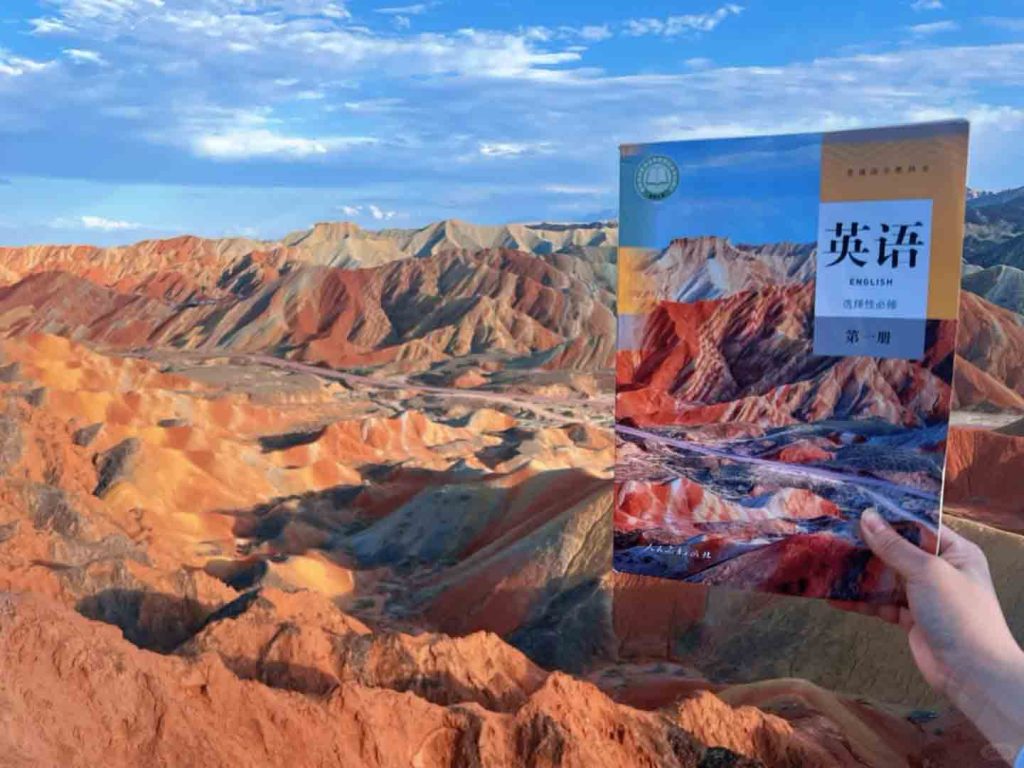
Traveling west from Wuwei to Zhangye, the scenery along the way undergoes a striking transformation. Leaving behind the grasslands and highland valleys of Gannan, the journey winds through the open wilderness of the Hexi Corridor, where vast gobi and desolate deserts stretch out before you, accompanied all the way by the majestic Qilian Mountains.Upon arriving in Zhangye, you can take a short break. If you have time, take the opportunity to explore downtown Zhangye, visit the Great Buddha Temple, and experience the rich cultural heritage of the ancient city of Ganzhou.
In the afternoon, head to the Seven-Color Danxia in Zhangye, one of the most iconic natural wonders of the Hexi Corridor. Through a long process of geological evolution, the vibrant rock layers have formed undulating, colorful mountains.We recommend setting aside half a day for this visit. If weather and time permit, it’s best to visit at sunrise or sunset; compared to the glaring midday light, the soft light of early morning or evening better highlights the rich, three-dimensional color gradations of the Danxia landscape.
D8 | Zhangye → Jiayuguan
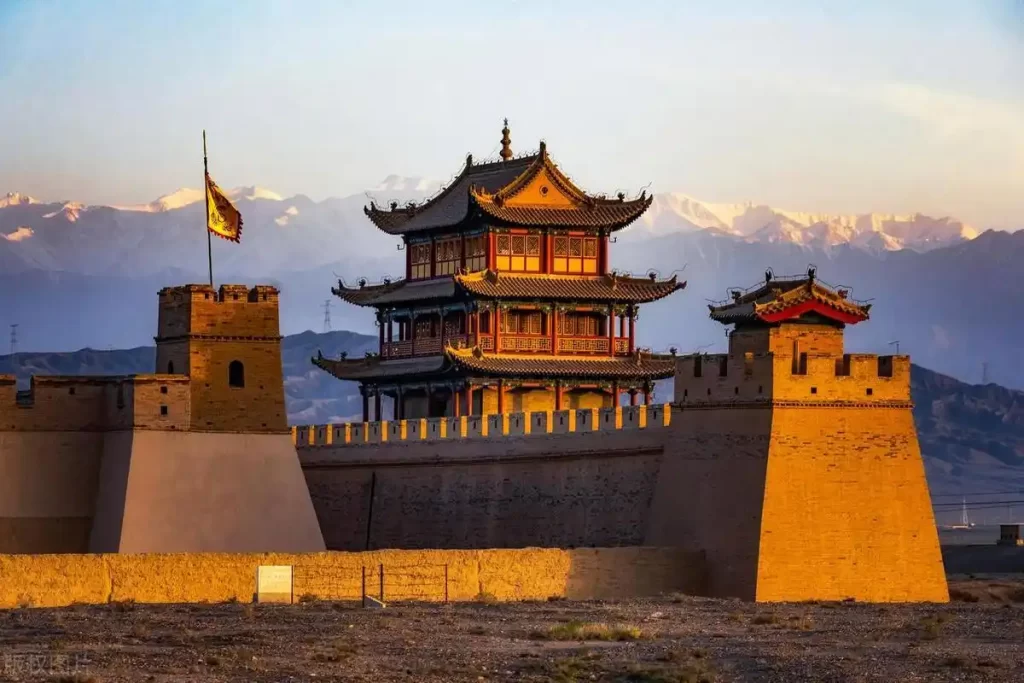
Continue westward into the Hexi Corridor.
The further you go, the more you’ll feel the “Northwest” vibe.
There are fewer and fewer cities, while the Gobi and other deserts are becoming more widespread; in the distance, you can see the Qilian Mountains.
Once you arrive in Jiayuguan, you can visit the Jiayuguan Fortress.
This is an important pass at the western end of the Ming Dynasty Great Wall.
Standing near the fortress, it’s easy to see why people in ancient times called this place “the most magnificent fortress under heaven.”
Because from here on, the true Western Regions lie ahead.
Day 9 | Jiayuguan → Dunhuang
Continue west.
Today’s journey will be quite long, but it’s also a very important part of any trip through the Hexi Corridor.
The route passes through the Gobi Desert, barren deserts, and the northern foothills of the Qilian Mountains.
As you get closer to Dunhuang, the surrounding landscape becomes increasingly desolate.
But it is precisely this vastness that makes traveling in the Northwest completely different from traveling in other parts of China.
Once you arrive in Dunhuang, you can take some time to relax in the city.
In the evening, you can stroll through the Dunhuang Night Market and try some local snacks.
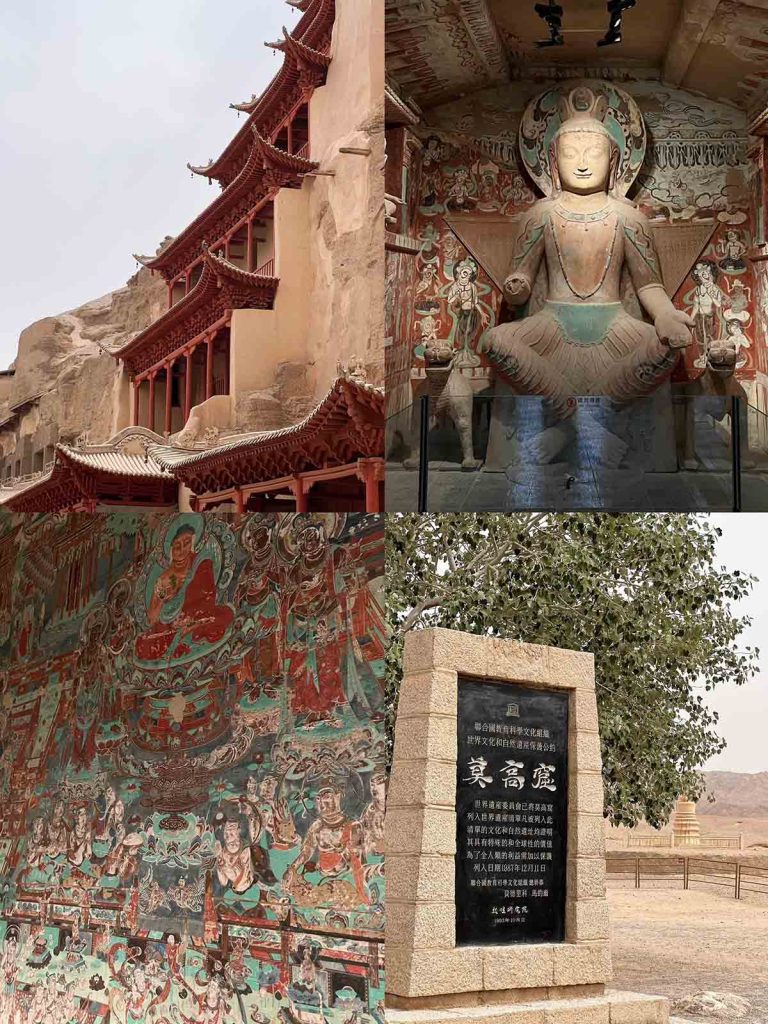
Day 10 | Mogao Caves
When you visit Dunhuang, the Mogao Caves are practically a must-see.
This is not just an ordinary tourist attraction.
It is more like an art treasure trove that has preserved a thousand years of history.
The murals, sculptures, and Buddhist art, which span multiple historical periods, have made Dunhuang an important cultural landmark linking China and the ancient Silk Road.
When visiting the Mogao Caves, we recommend making a reservation and planning your itinerary in advance.
Don’t think of it as simply “visiting a few caves.”
What’s truly worth seeing is the history behind these caves.
D11 | Mingsha Mountain and Yueya Spring
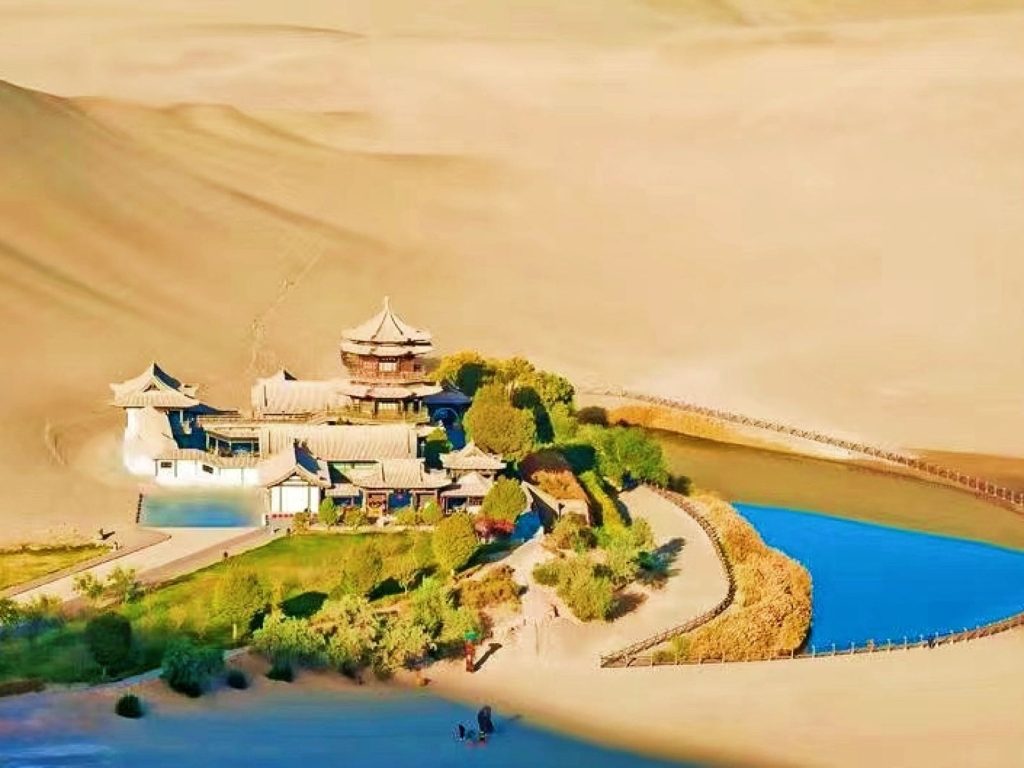
If the Mogao Caves represent Dunhuang’s cultural heritage, then the Singing Sand Mountain and Crescent Lake are Dunhuang’s most iconic natural landmarks.
In the middle of the desert, a crescent-shaped spring is surrounded by sand dunes.
Standing on Mingsha Mountain, you can see the striking contrast between the Dunhuang Oasis and the boundless desert.
We highly recommend visiting in the afternoon.
As the sun gradually sets, the sand dunes turn a golden yellow.
If you have the energy, you can climb to the top of the dune to watch the sunset.
This was also a great day for taking photos during our entire trip through Gannan and the Hexi Corridor.
D12 | End of the Trip in Dunhuang
If time permits, you can plan for a half-day of free time based on your return flight schedule.
Then we headed back from Dunhuang.
If your flight schedule allows, you can also choose to end your trip directly in Dunhuang, without having to return to Lanzhou.
This will make the entire trip much more enjoyable.
3. When is the best time to visit Gannan and the Hexi Corridor?
This is a very important consideration when planning this route.
June–August: The best time to visit the Gannan Grasslands
Summer is one of the most pleasant seasons in Gannan.
The grasslands are turning green, and the temperatures are relatively cool.
If you enjoy grasslands, forests, and highland scenery, summer is the perfect time to visit.
However, this is also the peak tourist season in Gannan.
September–October: My Top Choice for the Season
If I had to choose the best time to visit Gannan and the Hexi Corridor, I would lean toward:
September through October.
At this time of year, Gannan begins to enter autumn.
The grasslands are gradually turning golden, and the forests are also beginning to display the rich colors of autumn.
Meanwhile, the Hexi Corridor remains a relatively good destination for travel.
The Danxia Landforms in Zhangye, Jiayuguan, and Dunhuang also enjoy excellent weather conditions in the fall.
So if you want to visit Gannan and travel along the Hexi Corridor, fall is a great time to do both.
4. It’s your first time in Gansu—why pack your schedule so tightly every day?
There is one issue regarding travel in Gansu that is easily overlooked:
It may not look far on the map, but the actual travel time might be longer than you expect.
In particular, Gannan and the Hexi Corridor.
Many of these attractions are not simply connected by highways; the routes between them also pass through extensive mountainous regions, plateaus, and desert roads.
Therefore, this type of trip isn’t really suitable for scheduling four or five attractions a day.
The truly comfortable way would be:
Sightseeing in the morning → Taking it easy on the drive → Arriving at the destination in the afternoon → Setting aside time to rest and take a walk.
Especially in Gannan.
Sometimes what really sticks in people’s minds isn’t a specific scenic spot, but rather the grasslands and valleys stretching for dozens of kilometers outside the car window.
5. Gannan + Hexi Corridor: What Kind of Travelers Are They Best Suited For?
This itinerary is especially well-suited for first-time visitors to Northwest China who don’t want to limit themselves to just one type of scenery.
If you prefer:
- Grasslands and Snow-Capped Mountains
- The Rich Cultural Heritage of the Tibetan Region
- Ancient Temples and a Rich History
- The Spectacular Danxia Landforms
- The Vast Gobi and Desert Landscapes
- Historical Traces of the Ancient Silk Road
- Great Wall Ruins and Ancient City Ruins
- Landscape Photography
- Self-Drive / Private Car In-Depth Tours
So, connecting Gannan with the Hexi Corridor creates a Northwest itinerary that offers a truly comprehensive experience. In a single journey, you can encounter two vastly different facets of the Northwest.Just a few days ago, you were wandering through the lush highland grasslands of Gannan; a few days later, you’ll find yourself in the vast deserts of Dunhuang. The journey takes you from highland grasslands to ancient Tibetan monasteries — autumnal mountain forests — the Hexi Corridor — the colorful Danxia landforms — Great Wall beacon towers — the vast Gobi wilderness — the Dunhuang Grottoes — desert oases. The landscape and cultural sights shift layer by layer, creating a rich and fulfilling journey.
6. What should I choose when visiting Gansu for the first time?
- Days 3–4: A Short Loop Through the Highlights of Gannan—Lanzhou → Xiahe → Langmusi / Zaga’na → Return to Lanzhou. This itinerary offers a brief taste of Tibetan monasteries, grasslands, and mountainous wilderness, making it ideal for travelers with limited vacation time who prefer the cultural and natural landscapes of the plateau.
- Day 6–8: In-Depth Tour of Gannan (Can be Combined with Northwest Sichuan) — Centered on Gannan and extending into the Aba Prefecture of Sichuan, this itinerary includes the Huahu Lake in Ruoergai and the First Bend of the Nine-Turns Yellow River, among other grassland wetlands in northern Sichuan. By linking the scenic highlights of both Gansu and Sichuan provinces, the tour offers a richer and more diverse experience of both cultural heritage and wetland landscapes.
- 5 Days and 7 Days: The Classic Hexi Corridor Route—Lanzhou → Zhangye → Jiayuguan → Dunhuang—taking in Danxia landforms, the Great Wall, the Gobi Desert, and cave temples along the way, and unlocking the majestic and vast essence of the Silk Road’s desert landscape.
9–12 Days: Gannan + the Entire Hexi Corridor (Top Pick) This is the ideal itinerary for first-time visitors to Gansu, offering a chance to experience two starkly different facets of the province in one trip: on one side, the highland grasslands and the vibrant Tibetan culture;on the other, the Gobi Desert and the historic Silk Road. The Hexi Corridor, stretching back thousands of years, seamlessly connects the hidden wonders of Tibetan culture with the ancient Silk Road.
Conclusion
If this is your first trip to Gansu, be sure to set aside plenty of time—there’s no need to rush from one tourist spot to the next just to “check them off your list.” As you travel slowly westward, you’ll discover that Gansu’s true charm often lies in the journey between attractions.
Are you ready to embark on your journey through the Northwest?
No matter how long your vacation is, you can flexibly adjust your itinerary based on your schedule. Add our travel advisor to create a personalized Gannan Hexi Corridor tour just for you.
Elephant–trip | Specializing in Customized Private Tours in China for
2–6 People with Private Car Service | Sightseeing Only, No Shopping | One-on-One Itinerary Planning

Scan the QR code to add me on WeChat