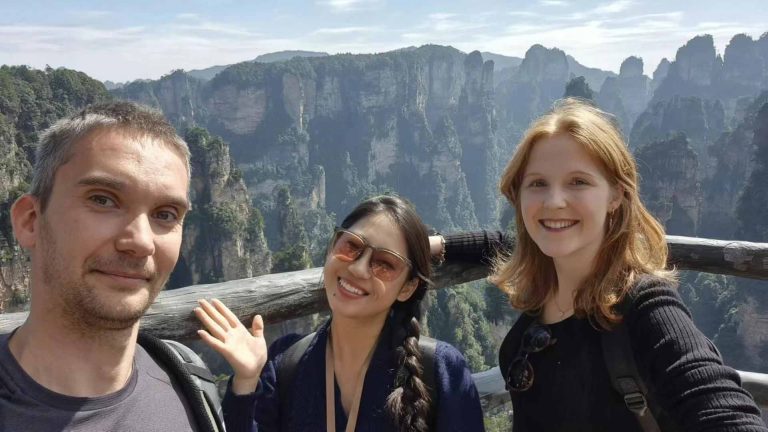
“Ten years of gazing at mountains without tiring, returning without looking at mountains in the world.”
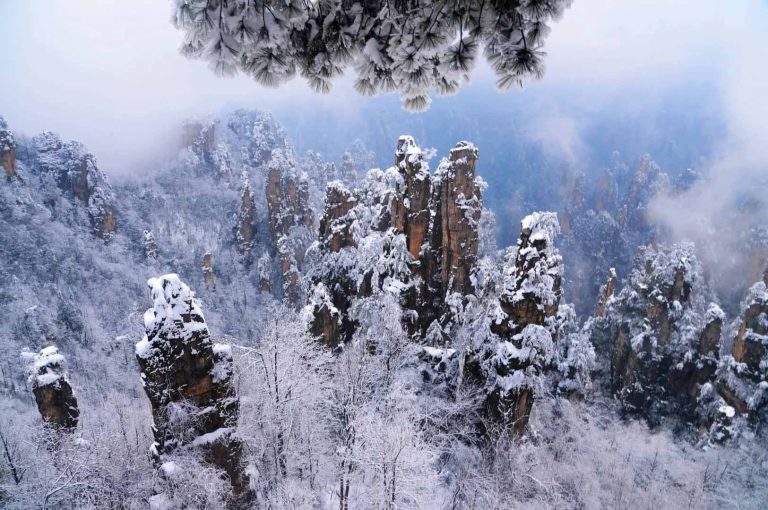
Zhangjiajie’s unique peaks and clear waters are beautiful in all seasons, and February to June is its golden transition period from winter dormancy to gradual improvement – snow-covered stone forests, rolling sea of clouds, blooming mountain flowers, surging greenery, every frame is worth a special trip.
But beyond the beautiful scenery, unpredictable weather, holiday peaks, and fluctuating crowds hide potential pitfalls: crowds during the Spring Festival, misty rain during the Qingming Festival, crowds during May Day… a slight oversight can lead to wasted money and effort.
Before planning a trip, many people first search for the weather for each month – after all, the weather directly determines the travel experience, clothing preparation, and scenic perception. This guide focuses on “monthly analysis” to thoroughly explain the weather conditions, characteristic scenery, and precautions for Zhangjiajie from February to June, helping you choose the right time to travel based on the weather and unlock your exclusive Zhangjiajie fairy tale journey.
Zhangjiajie in February: Weather + Scenery + Tips | Limited Edition Snowscape for Spring Festival
I. Weather Conditions
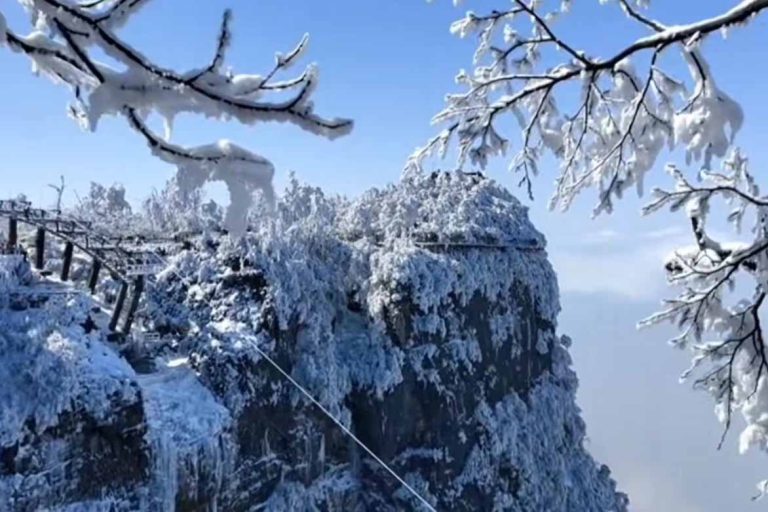
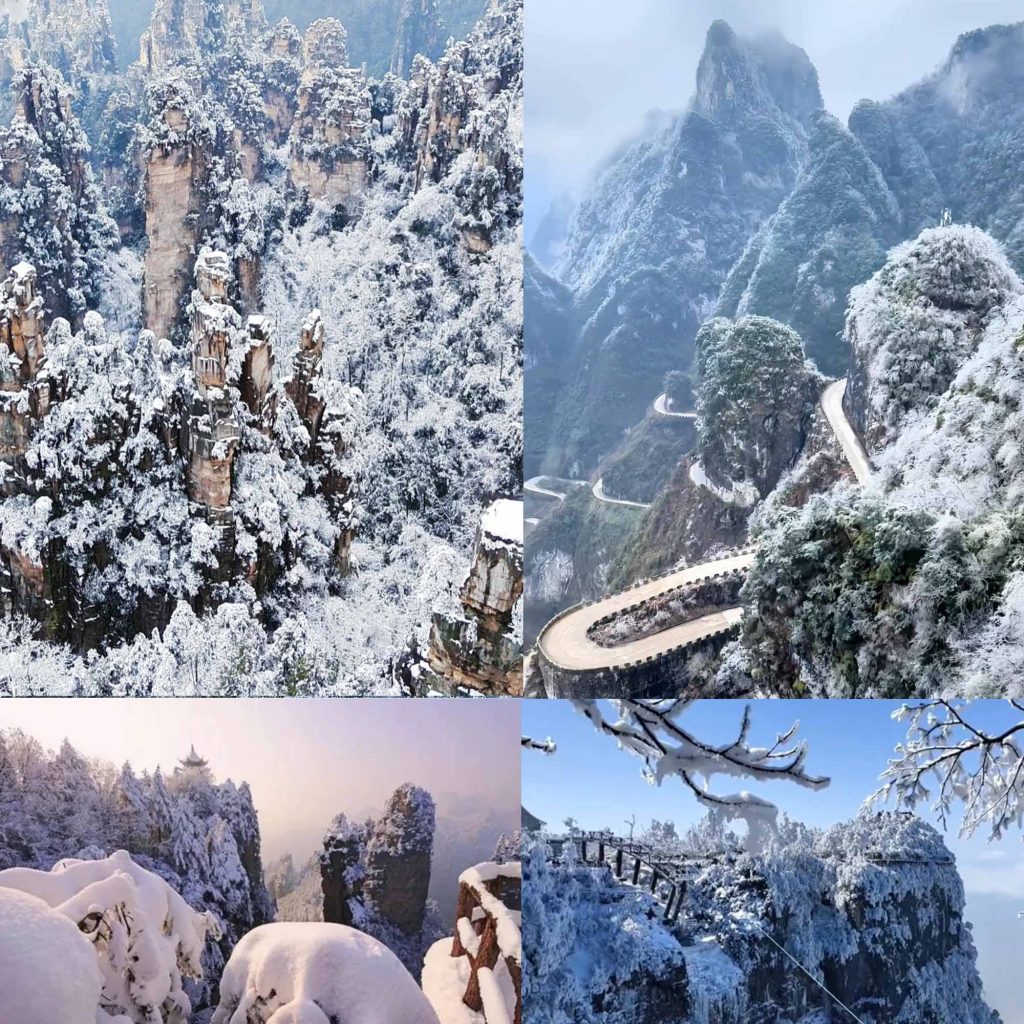
February in Zhangjiajie is still at the end of winter. The average daily temperature is 1-8℃, generally cold and dry, with temperature differences of 8-10℃ between morning and evening, making it feel quite cold. The main weather highlight is snow on the mountain peaks: if cold air passes through, higher altitude areas like Tianmen Mountain, Tianzi Mountain, and Yuanjiajie will be covered in white snow, and icy formations may hang along the boardwalks. However, snow is not guaranteed every year and is a scenic view that depends on luck. It is recommended to closely follow the official weather forecast of the scenic area one week before your trip. Additionally, February often coincides with the Spring Festival holiday. During the statutory holiday (usually from the first to the tenth day of the lunar calendar), the first peak tourist season of the year will arrive, with concentrated crowds.
II. Scenic Features
Zhangjiajie after snow is a “Chinese ink and wash ice and snow fairyland”: clouds and mist entwine the snow-covered stone peaks. When the sun shines, the snow surface emits a soft glow, and the rugged outlines of the peaks appear more three-dimensional against the white snow. Even without snow, Zhangjiajie in February lacks the hustle and bustle of peak season. Except for core attractions like Tianmen Mountain and the Bailong Elevator, areas like Yangjiajie and Shili Hualang are often quiet, with almost no other tourists to interfere with photos. It is very suitable for tourists who prefer a tranquil scenery.
III. Precautions
1. Clothing: Prioritize windproof and warm down jackets, fleece-lined storm pants, paired with non-slip hiking shoes (slippery on snowy/icy paths). Carry hand warmers, thick gloves, and warm scarves to cope with the cold environment.
2. Avoid Crowds: During the Spring Festival holiday (from the first to the seventh day of the lunar month), the number of tourists surges, and queues for cable cars can often be 1-2 hours long. It is recommended to book tickets and accommodation 3 days in advance and enter the park before 8 am daily to avoid the peak crowd from 9 am to 11 am.
3. Road Conditions: Some paths on the mountain peaks may be temporarily closed due to snow. Be sure to check the official park notices before your trip and adjust your itinerary accordingly to avoid wasted trips.
4. Photography: The early morning after snow is the best time to photograph sea of clouds and snow scenes. It is recommended to bring a tripod and protect your camera equipment from the cold.
Zhangjiajie in March: Weather + Scenery + Tips | Early Spring Revival, Few Crowds, Clear Scenery
 Zhangjiajie National Forest Park in Spring
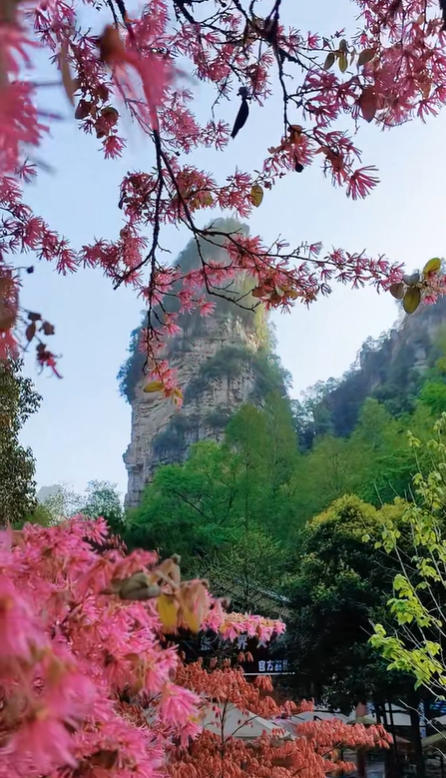 Zhangjiajie Spring Flowers
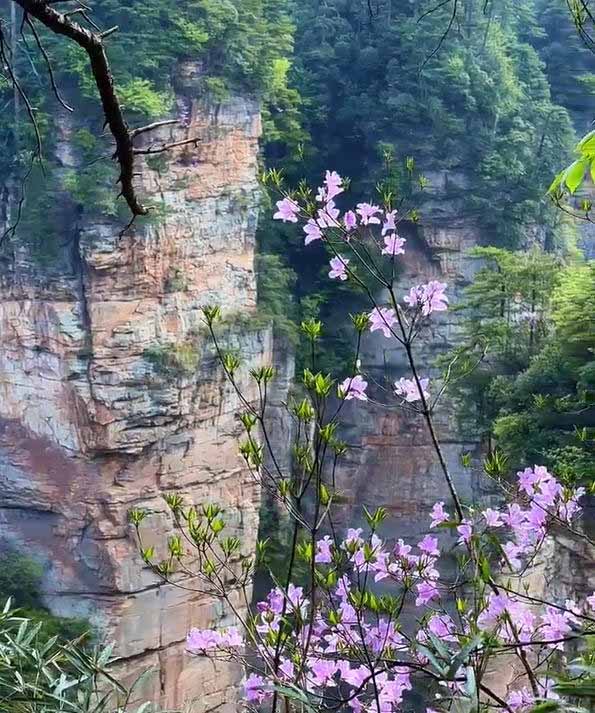 Zhangjiajie Spring Flowers
I. Weather Conditions
In March, the chill in Zhangjiajie gradually recedes, and the temperature steadily rises, with an average daily temperature of 5-15℃. The afternoon sun is warm and comfortable, making the experience excellent. Rainfall is low this month, with predominantly clear and cloudy weather. The air is dry and fresh, making it a golden window period with “few people and beautiful scenery” throughout the year – the Spring Festival crowds have completely dispersed, and the Qingming Festival mini-peak has not yet arrived. The overall experience in the scenic area is top-notch, offering excellent value for money.
II. Scenic Features
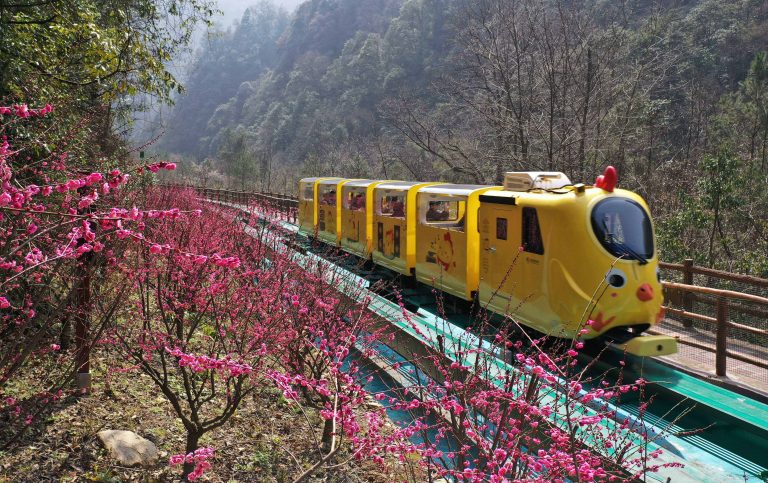
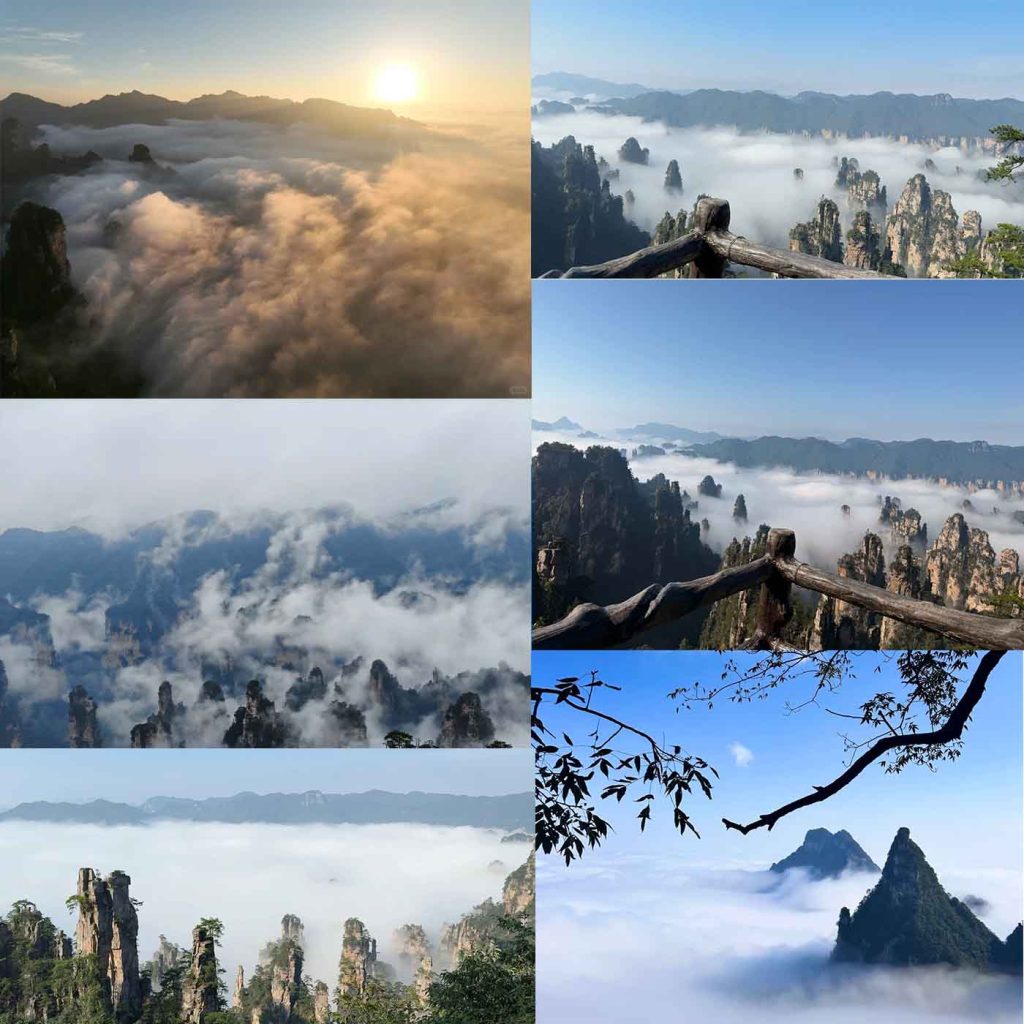
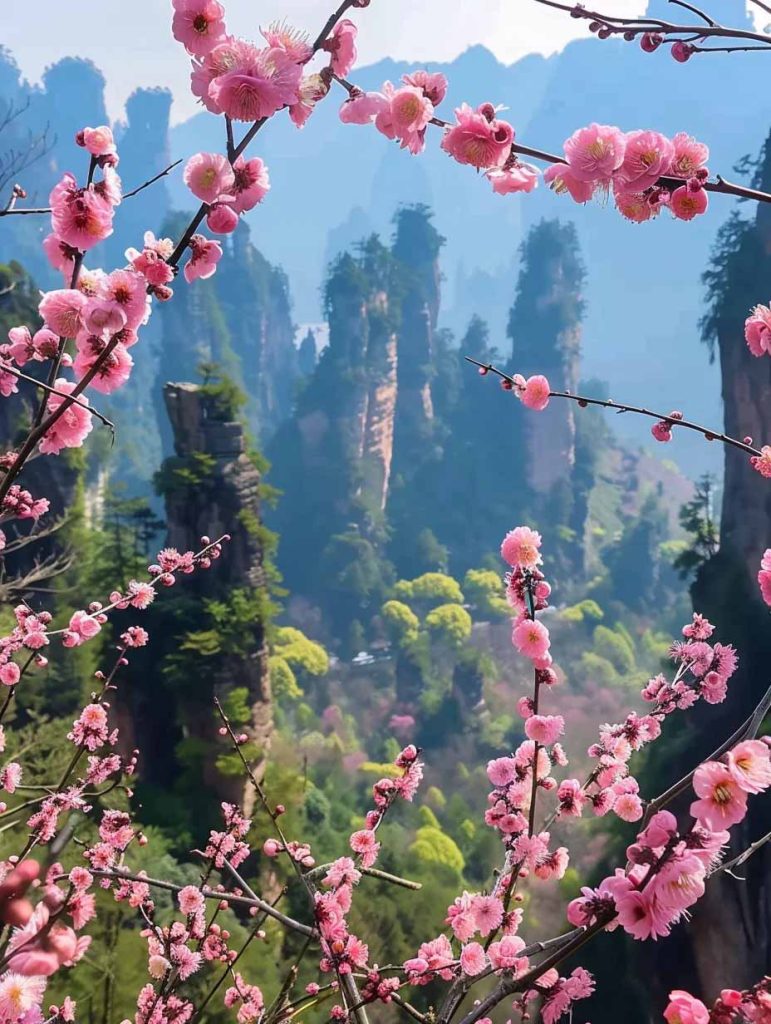
Zhangjiajie in March enters the early spring revival period, with vitality everywhere: shrubs between the peaks sprout tender green buds, the streams in Jinbian Creek thaw and flow gently, and wild cherry blossoms and azaleas bloom sporadically along the banks. The tender green contrasts with the dark green peaks, creating a picturesque spring scene that is perfect for photos. If you venture into the surrounding villages, you can also encounter vast fields of rapeseed flowers and vibrant peach blossoms, with bright colors and a high photo success rate. What’s more, March is a high-frequency period for sea of clouds in Zhangjiajie. After rain and before clear skies, clouds and mist slowly drift among the peaks, with mountains appearing and disappearing, like a fairyland. It is an ideal time for photography enthusiasts.
III. Precautions
1. Clothing: Adopt a layered approach with a “light jacket + sweater.” Wear a jacket for warmth during the slightly cool mornings and evenings, and remove it when the temperature rises in the afternoon to adapt to temperature changes.
2. Itinerary: The temperature is suitable for focusing on hiking routes, such as the entire Jinbian Creek trail or a leisurely stroll through Shili Hualang. This allows you to experience the vitality of spring without feeling tired due to high temperatures.
3. Accommodation: March is still in the low season for tourism. Hotels and guesthouses in the core area of Wulingyuan are affordable. It is recommended to choose accommodation within walking distance of the scenic area entrance for convenient access.
4. Sightseeing: The sea of clouds often appears in the early morning. It is recommended to wake up early and head to viewing platforms like Tianzi Mountain and Mihun Platform in Yuanjiajie to wait for a chance to witness the magnificent sea of clouds.
Zhangjiajie in April: Weather + Scenery + Tips | Misty Rain and Sea of Clouds Meet the Qingming Mini-Peak
I. Weather Conditions
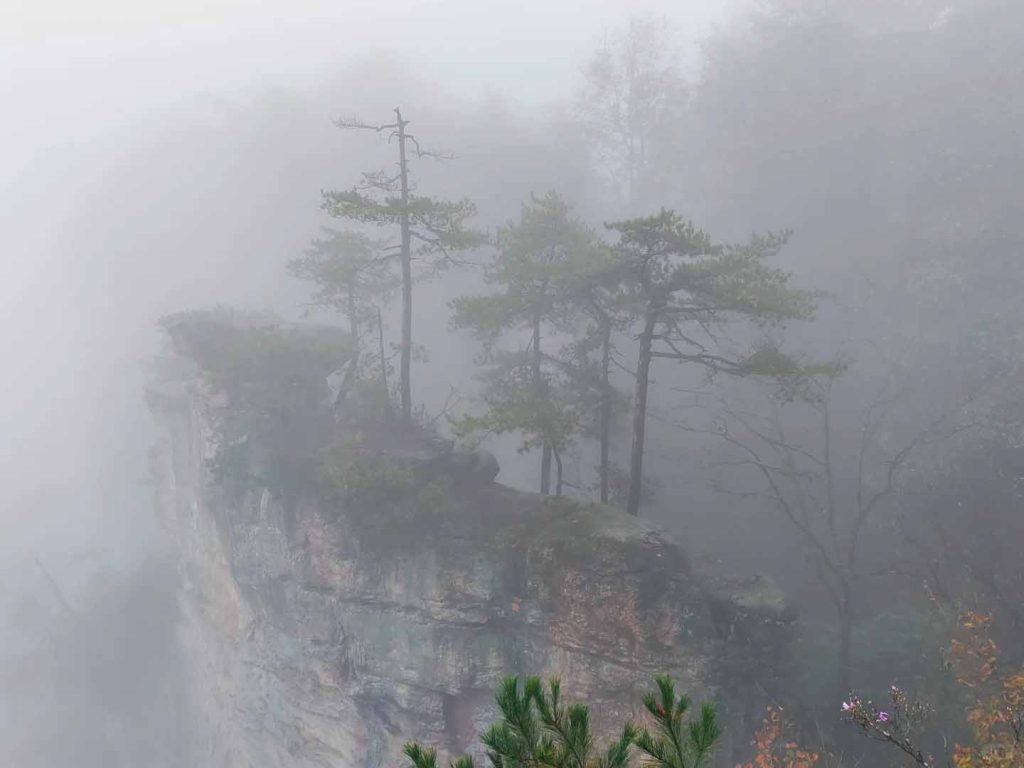
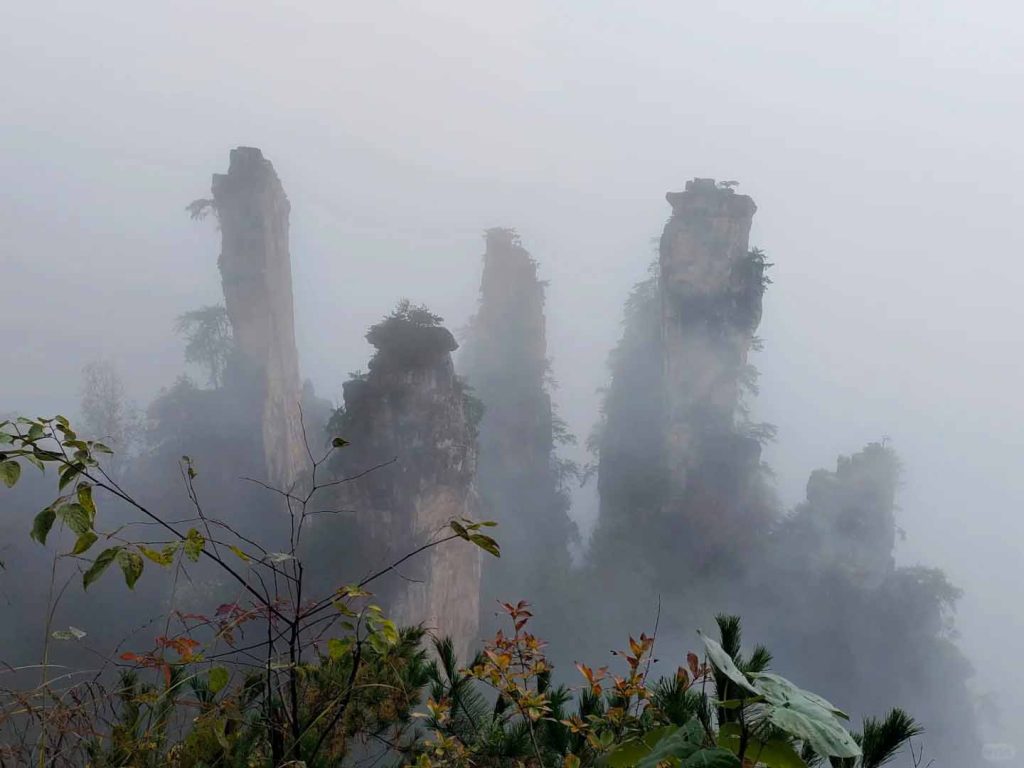
April in Zhangjiajie enters the rainy season. The average daily temperature is 10-20℃, generally humid and rainy, with frequent showers or light rain that lasts for a short duration. The air is exceptionally fresh after the rain, and the “misty and rainy Zhangjiajie” scenery officially begins.
II. Scenic Features
After the spring rain, Zhangjiajie takes on a hazy filter: the peaks are shrouded in light clouds and mist, the streams become more abundant and clear due to the rainfall, and the greenery of the mountains and forests becomes more intense, forming a unique “misty and rainy sea of clouds” landscape, like a flowing ink painting. At this time, the vegetation along Jinbian Creek is lush, the visibility of the stream is high, and small fish can be clearly seen swimming. The content of negative oxygen ions in the air is extremely high, making it a veritable “natural oxygen bar,” very suitable for a leisurely “lung cleansing” trip.
This is also the period when the end of spring flower viewing overlaps with its climax:
Rapeseed flowers are in the late stage of blooming (especially in early April, they can still be seen);
Wild azaleas are in full bloom. From Huangshizhai to Tianzi Mountain, pink, rose, and white azaleas cover the cliffs and precipices, vibrant and wild;
Wild cherry blossoms, milkweed, and irises also dot the streams and mountain ravines, adding lively colors to the verdant mountain scenery.
III. Precautions
1. Avoid Crowds: Try to avoid the Qingming Festival holiday (around April 5th), which will bring a significant wave of tourist crowds. The scenic area will be crowded, and hotel and transportation prices will slightly increase… If you must travel during the holiday, you need to book accommodation and tickets more than 5 days in advance. During your trip, avoid peak hours at popular attractions like Tianmen Mountain and Bailong Elevator. Apart from the holiday, the number of tourists in other periods in April is stable, and the climate is pleasant, making it an ideal choice to experience the triple spring charm of “sea of clouds + flower sea + misty peaks.”
2. Equipment: Essential items include a waterproof storm jacket, a foldable umbrella or raincoat, and non-slip hiking shoes (mountain paths are slippery when wet, avoid falls). You can also bring disposable shoe covers to deal with muddy sections.
3. Photography: During rainy days, take precautions to waterproof your camera. You can bring a camera waterproof bag. The best time to photograph the misty sea of clouds is 1-2 hours after the rain, when the clouds and mist are most dynamic and the scenery is most lively.
4. Clothing: It feels cooler on rainy days, so it is recommended to wear a thin sweater + waterproof jacket. Carry a dry towel to wipe yourself dry and keep warm if you get wet.
Zhangjiajie in May: Weather + Scenery + Tips | Pleasant Weather, Avoid May Day Crowds
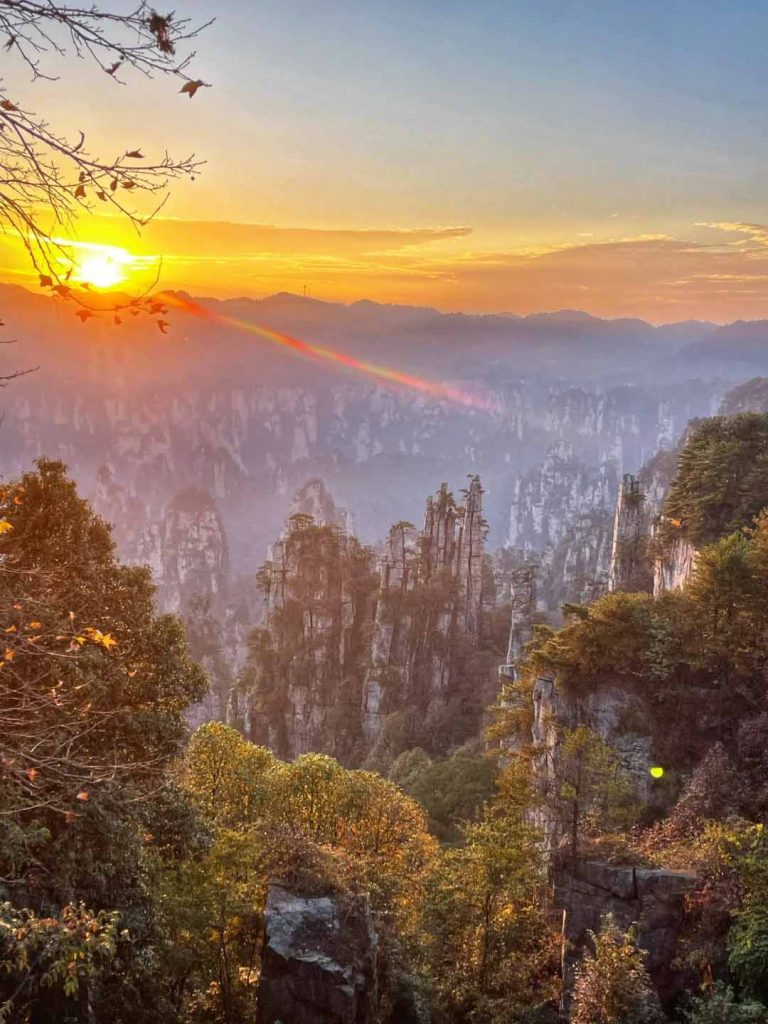 Zhangjiajie Sunrise and Sunset
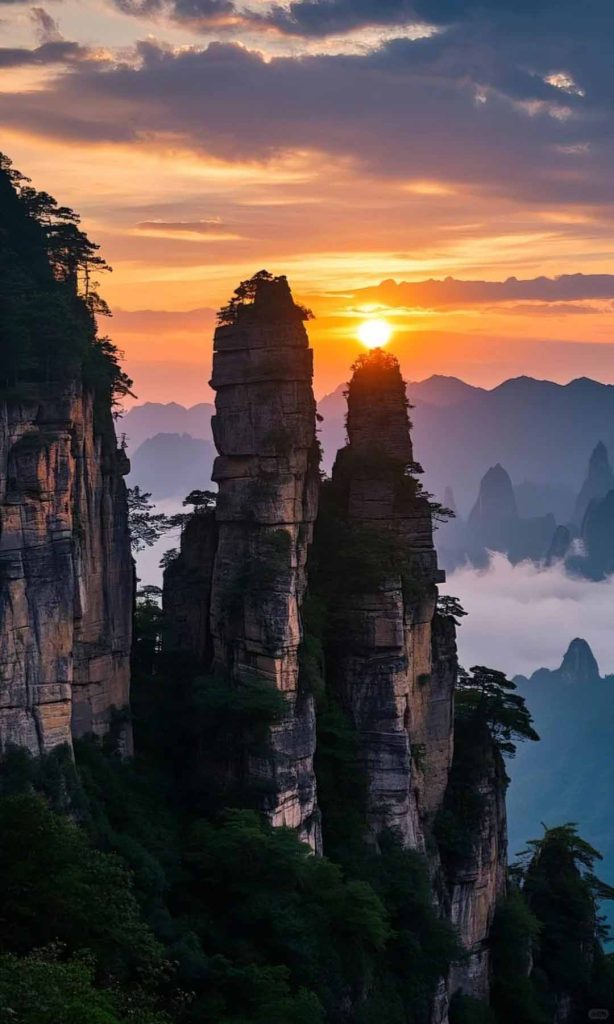 Zhangjiajie Sunrise and Sunset
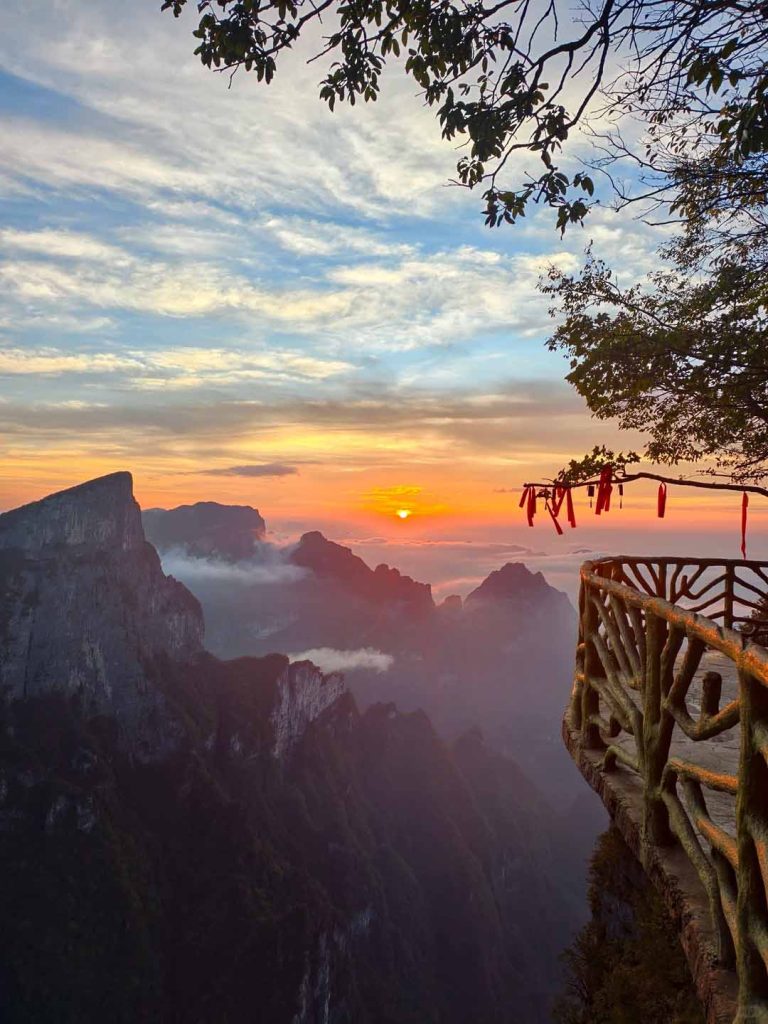 Zhangjiajie Sunrise and Sunset
I. Weather Conditions
The weather in Zhangjiajie in May is arguably “the best of the year.” The average daily temperature is 15-25℃, with mostly clear weather and very little rain. The air is dry and comfortable, neither cold nor hot, making it a golden period for hiking and climbing. The only thing to note is the May Day holiday (5 days) at the beginning of May, which will bring the second peak tourist season of the year. Core scenic areas will be crowded, with noticeable queues. During non-holiday periods, the crowds are moderate, and the experience is excellent.
II. Scenic Features
Zhangjiajie in May is in the late spring, full of greenery and vitality: the vegetation coverage in Tianzi Mountain exceeds 90%, with lush green everywhere. The “Avatar floating mountains” in Yuanjiajie, under the clear sky, have sharp outlines and appear more fantastical and realistic. Wildflowers bloom along Jinbian Creek, butterflies flutter, and the stream murmurs, forming a rich and colorful landscape painting with the surrounding peaks and vegetation. The sunlight is abundant at this time, and visibility is high, allowing you to capture the magnificent beauty of Zhangjiajie completely, whether for photography or sightseeing.
III. Precautions
1. Avoid Crowds: Prioritize traveling in mid-to-late May to avoid the May Day holiday (May 1-5). If traveling during the holiday, it is recommended to enter the park before 7 am daily and visit popular attractions during off-peak hours in the evening.
2. Clothing: Primarily wear short sleeves and thin long pants. There is a temperature difference of about 5℃ between morning and evening, so you can bring a light jacket. Wear breathable and comfortable sports shoes for hiking.
3. Tickets: Tianmen Mountain tickets need to be booked 5 days in advance on the official platform. During peak hours in the popular season (9-11 am), tickets are easily sold out. You can choose the afternoon session, as the crowds are relatively smaller.
4. Sun Protection: The UV rays become stronger in May, so be sure to take sun protection measures, bring sunscreen with a high SPF, a sun hat, and sunglasses. Wear long-sleeved, breathable sun-protective clothing to avoid sunburn.
Zhangjiajie in June: Weather + Scenery + Tips | Early Summer Appears, Avoid Crowds in Advance
I. Weather Conditions
In June, the temperature in Zhangjiajie rises rapidly, officially entering summer. The average daily temperature is 20-30℃, with hot afternoons. Some days can reach over 32℃, making it feel muggy. Rainfall decreases this month, with mostly sunny and hot weather. Occasional thunderstorms (mostly in the afternoon, short duration, can relieve the mugginess). Tourist numbers gradually increase, especially in late June when students start their holidays, leading to a significant increase in visitors, foreshadowing the peak summer season in July-August. It is recommended to avoid crowds as much as possible.
II. Scenic Features
In June, Zhangjiajie is extremely lush and green. The peaks are completely covered by dense forests, creating a strong sense of layering, with a healing deep green everywhere. At this time, the mountain streams are abundant, and the water scenery of Jinbian Creek and Suoxiyu is more dynamic. Some shallow areas are suitable for playing in the water to relieve the summer heat. The early morning and evening are cool, making them the best times of the day for sightseeing, where you can enjoy the beauty of sunrise, sunset, and peaks. During the hot midday, you can choose indoor or shaded attractions like the Tianmen Mountain cave or Tujia Folk Garden to escape the heat.
III. Precautions
1. Sun Protection: The ultraviolet rays are strong, so be sure to take sun protection measures. Bring high-SPF sunscreen, a sun hat, and sunglasses. Wear long-sleeved, breathable sun-protective clothing to avoid sunburn.
2. Clothing: Primarily wear cool clothing such as short sleeves, shorts, and sports skirts. Bring a light jacket (to cope with temperature drops from thunderstorms). Wear breathable and sweat-wicking quick-drying clothing for hiking.
3. Avoid Crowds: Prioritize traveling in early June, avoiding late June and weekends. If you can only travel in late June, it is recommended to enter the park before 7 am daily, take a break during the hot afternoon, and continue sightseeing in the evening.
4. Hydration: High temperatures can easily lead to dehydration. Carry sufficient drinking water with you. You can also bring electrolyte drinks or traditional Chinese medicine for heatstroke prevention to prevent heatstroke.
5. Safety: During thunderstorms, avoid staying on mountain peaks or in open areas. Stay away from large trees and metal structures to ensure your safety.
Summary
The above is a complete analysis of the weather, scenery, and travel tips for Zhangjiajie from February to June. In summary:
If you want to see snowscapes, choose February (avoid Spring Festival). If you want to enjoy fewer crowds and comfort, choose March. If you prefer misty rain and sea of clouds, choose April (avoid Qingming Festival). If you want to balance weather and scenery, choose May (avoid May Day). For June travel, prioritize early June and be prepared for sun protection and avoiding crowds.
In fact, the beauty of Zhangjiajie is never season-dependent. As long as you choose the right equipment based on the weather and avoid peak times, you can unlock a mountain and water journey that lives up to your expectations. If you need more detailed itinerary planning for a specific month, feel free to ask!
If you plan to visit Zhangjiajie this year but are too lazy to plan, afraid of pitfalls, or worried about long queues… you are welcome to join our pure play tour group for a worry-free journey:
- ✅ No shopping, no hidden fees, pure play without tricks;
- ✅ Can join large groups (high cost-effectiveness) or small groups (high flexibility), choose according to your needs;
- ✅ Professional guides lead the way, no backtracking, direct access to essential attractions, saving time and effort;
- ✅ 1-on-1 travel consultant to customize your itinerary, covering transportation, accommodation, and tips to avoid pitfalls, with butler-style full support.
📞 Consult now to customize your Zhangjiajie trip
—— Because true travel begins with footsteps and ends with the soul.


📞 Consult now to customize your itinerary
- ✅ 1-on-1 customized itinerary for families/small groups (can add/remove attractions, adjust pace, upgrade to high-end accommodation)
- ✅ Child-friendly explanations (storytelling, interactive)
- ✅ Elderly care services (wheelchair assistance, rest stop arrangements)
- ✅ Includes professional cultural guide
- ✅ No shopping, no hidden fees throughout the trip
Scan the QR code to add a travel consultant